Ingredient discovery now translates elemental and chakra intent into Amazon Fresh and Whole Foods search strings tuned for New York fulfillment, regional brands, and grocery category routing.
Showing the top 96 of 409 matches — narrow filters to refine.

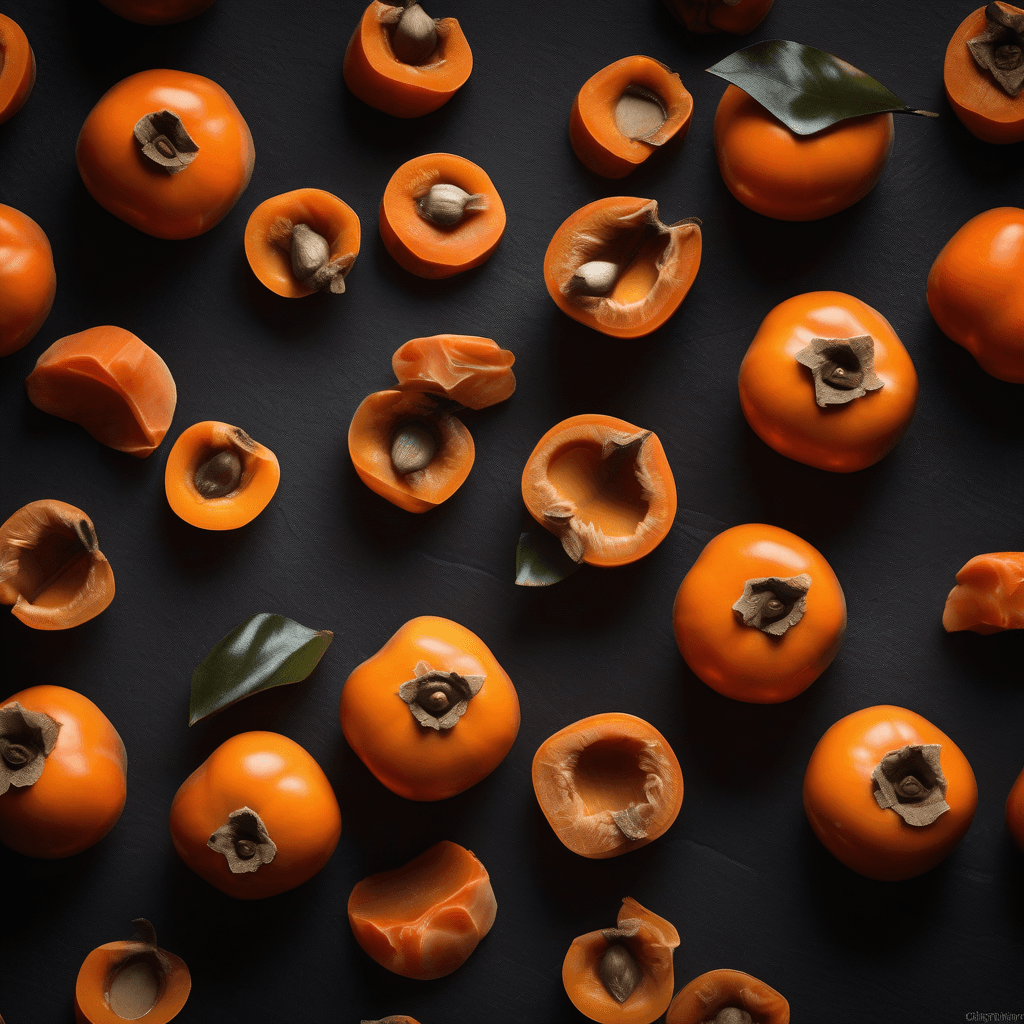
Fuyu types eat firm and crisp; Hachiya must be jelly-soft or they are harshly astringent.

Ripeness drives use: firm/underripe for savory, ripe for desserts, overripe for purees.

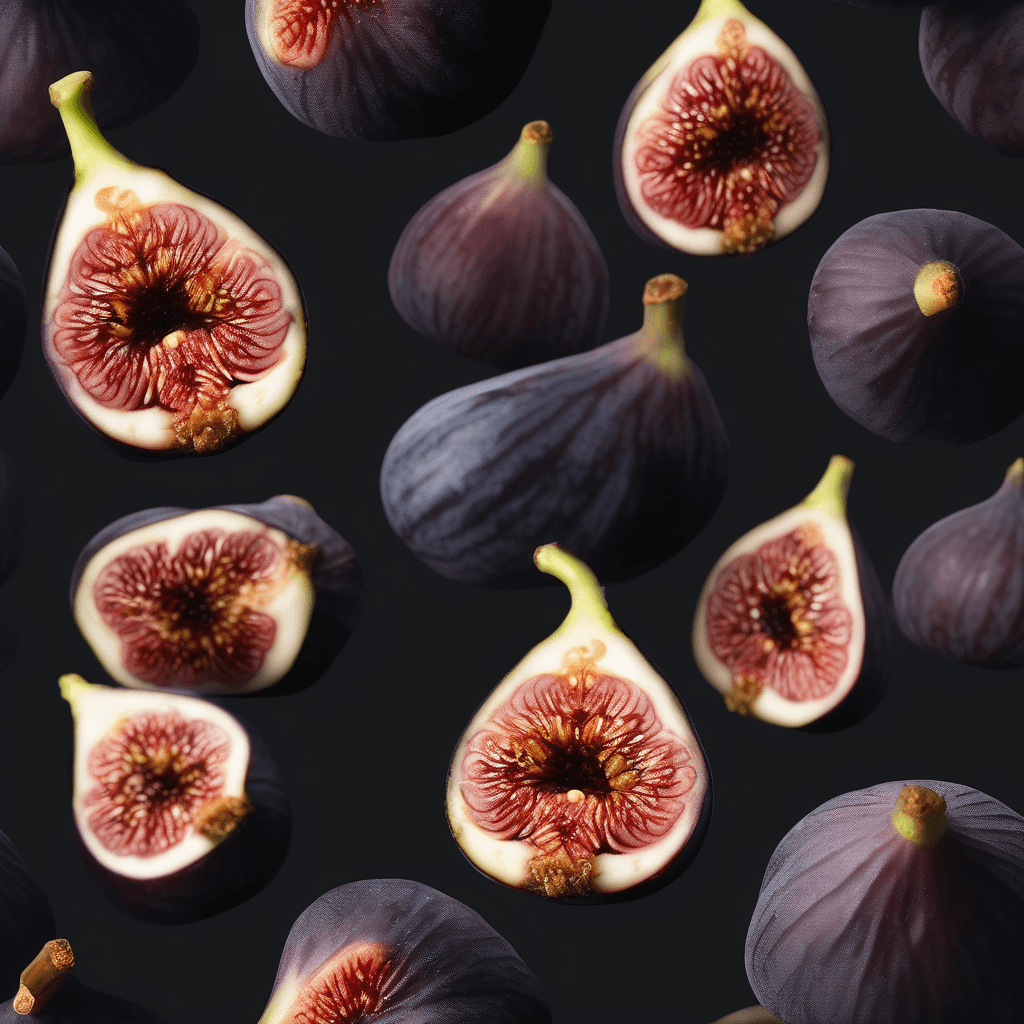
Lusciously sweet with a soft, seedy interior; highly perishable and best eaten ripe.

Small, tangy-sweet fruit tasting of apricot and citrus; bruises and oxidizes quickly.

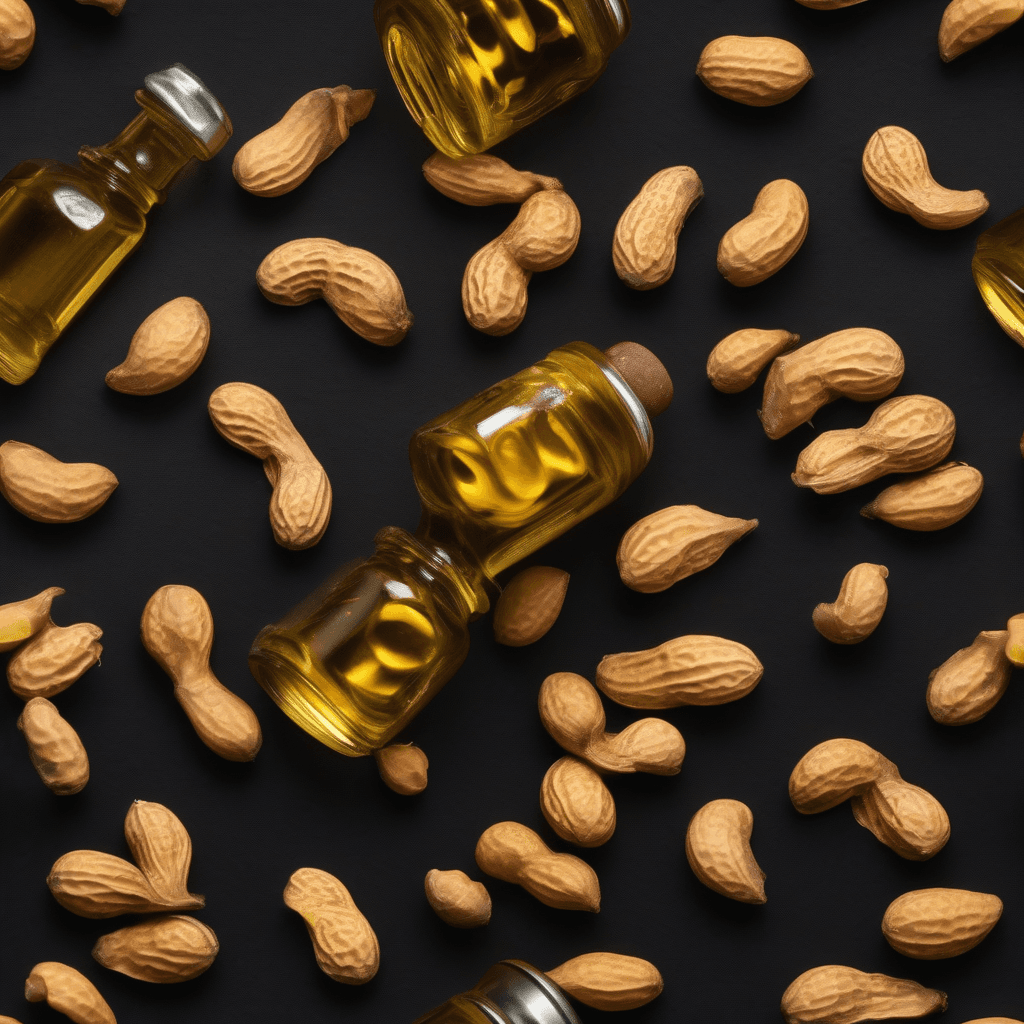
Heat below smoke point for frying; finish raw for best aroma.

Heat below smoke point for frying; finish raw for best aroma.

Heat below smoke point for frying; finish raw for best aroma.

Bloom in fat or dry-toast briefly to activate aromatics; avoid scorching.

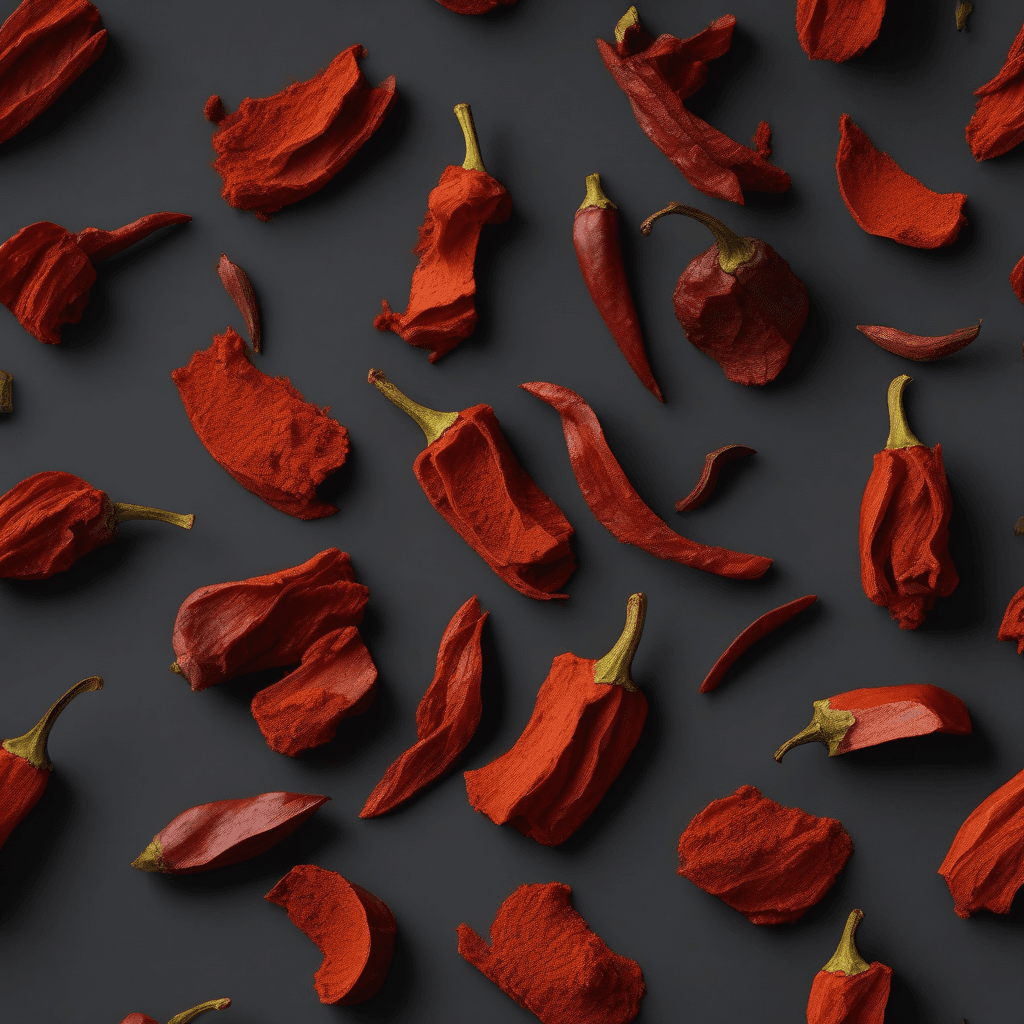
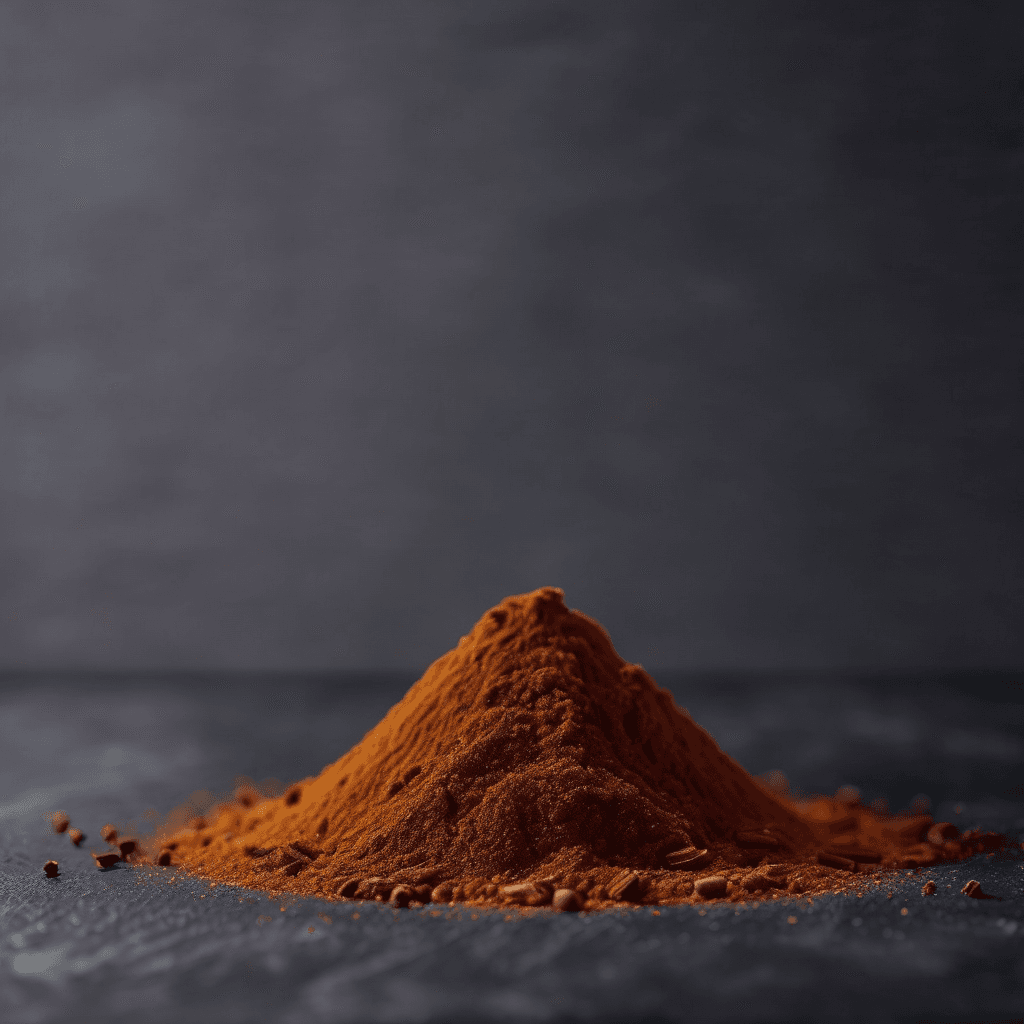
Ground dried red peppers — sweet and mild, smoked, or hot depending on the type.
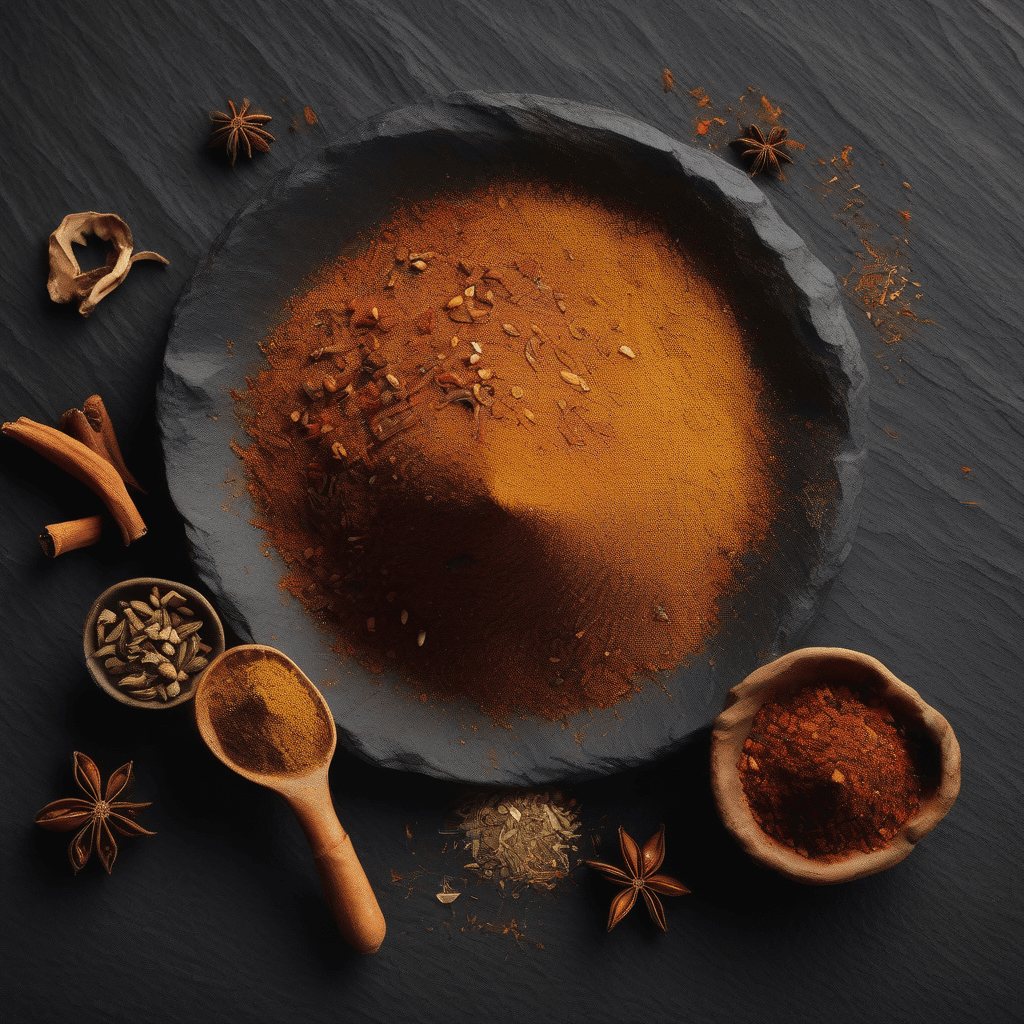
Bloom in fat or dry-toast briefly to activate aromatics; avoid scorching.

Bloom in fat or dry-toast briefly to activate aromatics; avoid scorching.

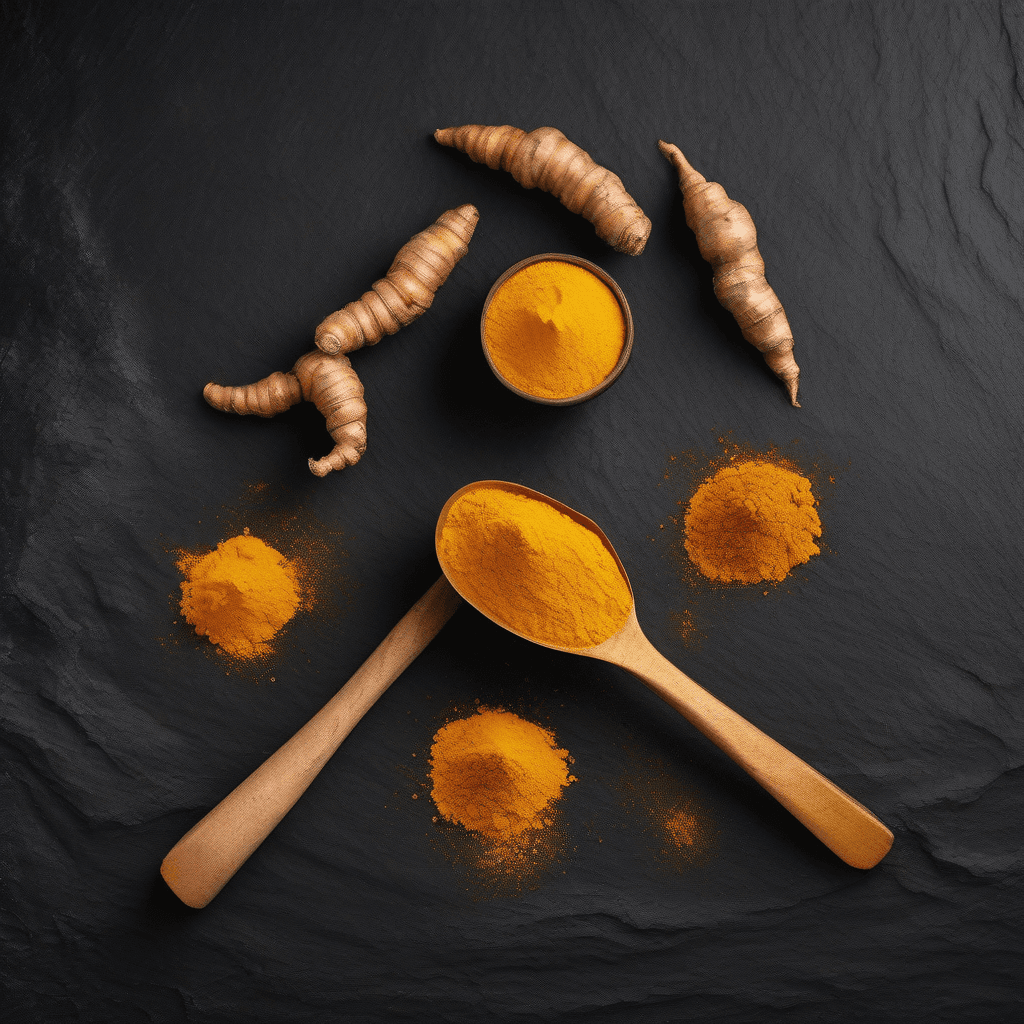
Golden rhizome spice — earthy and faintly bitter, prized for color and warmth.

Bloom in fat or dry-toast briefly to activate aromatics; avoid scorching.

Bloom in fat or dry-toast briefly to activate aromatics; avoid scorching.

Bloom in fat or dry-toast briefly to activate aromatics; avoid scorching.

Bloom in fat or dry-toast briefly to activate aromatics; avoid scorching.

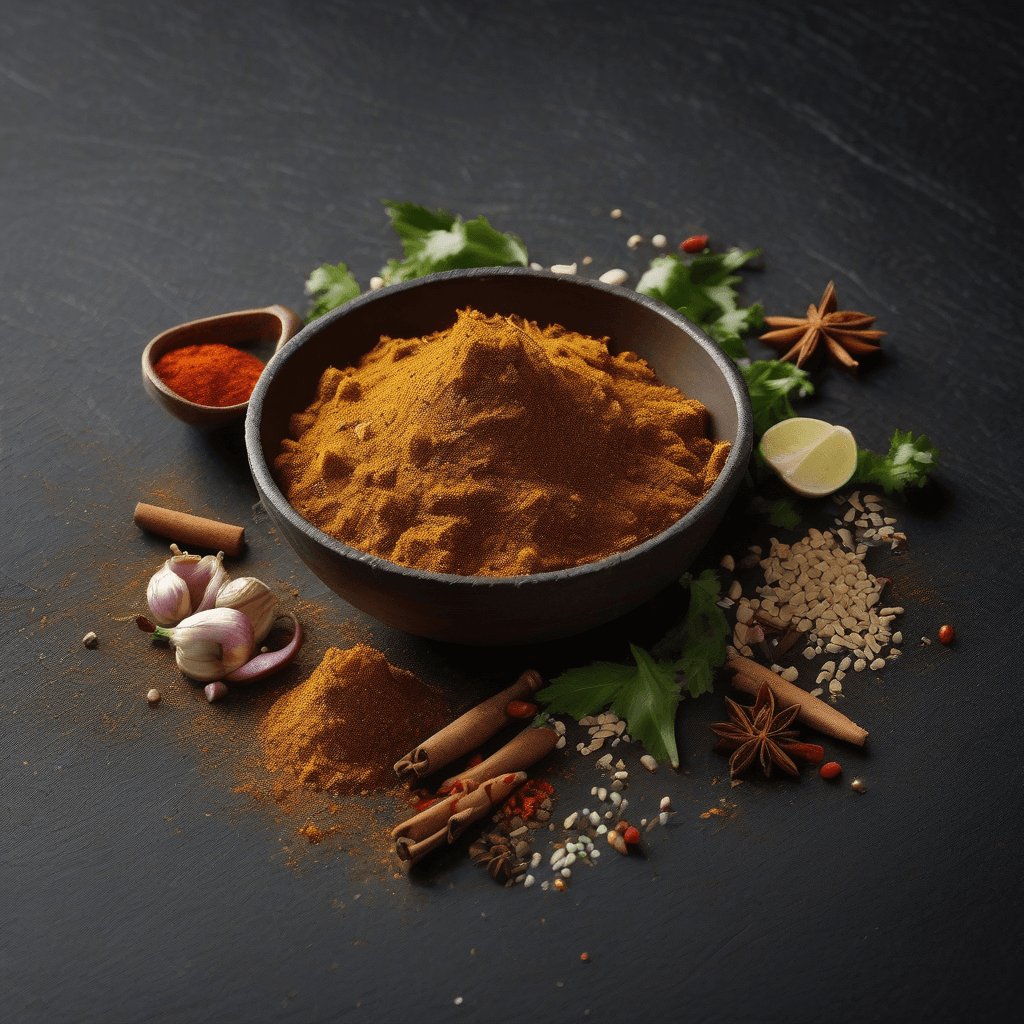
A warming North Indian blend of toasted spices — the name means 'warm spice mix'.

Bloom in fat or dry-toast briefly to activate aromatics; avoid scorching.

Bloom in fat or dry-toast briefly to activate aromatics; avoid scorching.

Bloom in fat or dry-toast briefly to activate aromatics; avoid scorching.

Bloom in fat or dry-toast briefly to activate aromatics; avoid scorching.

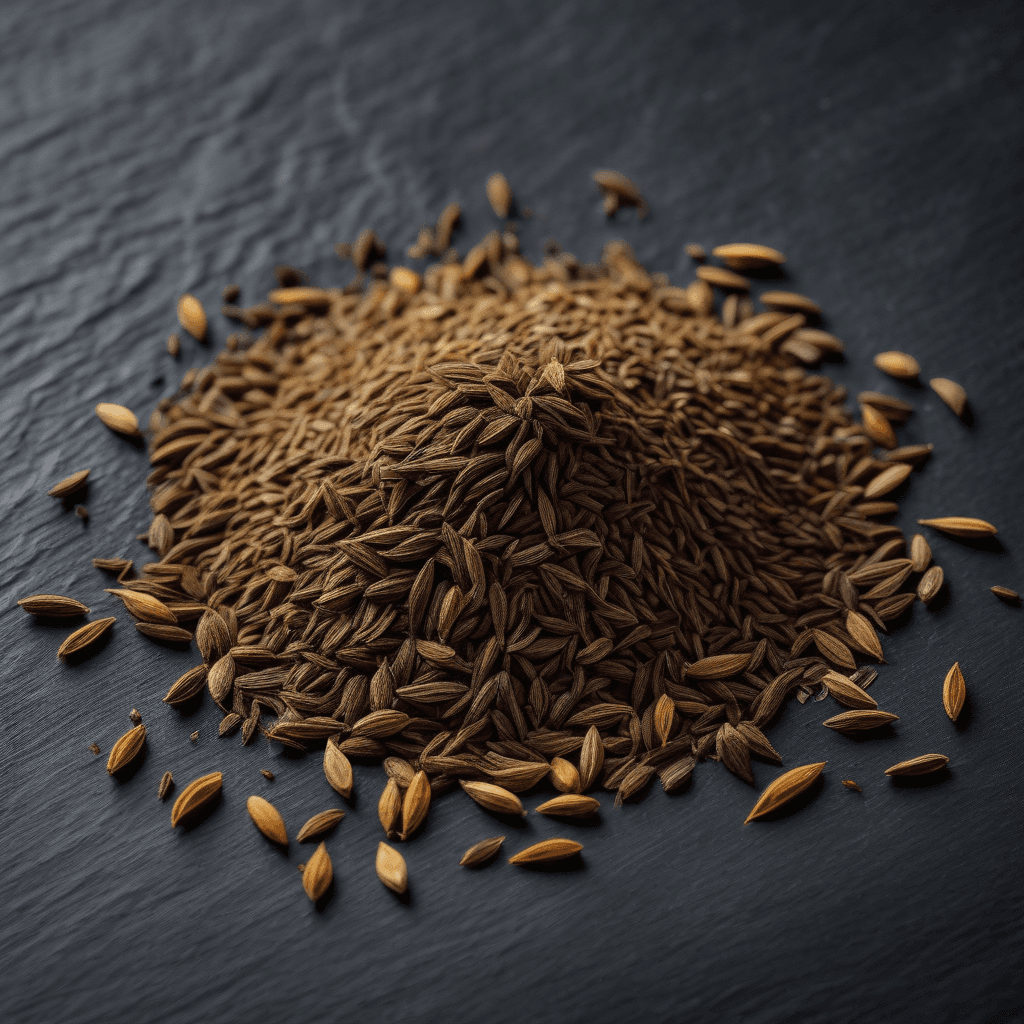
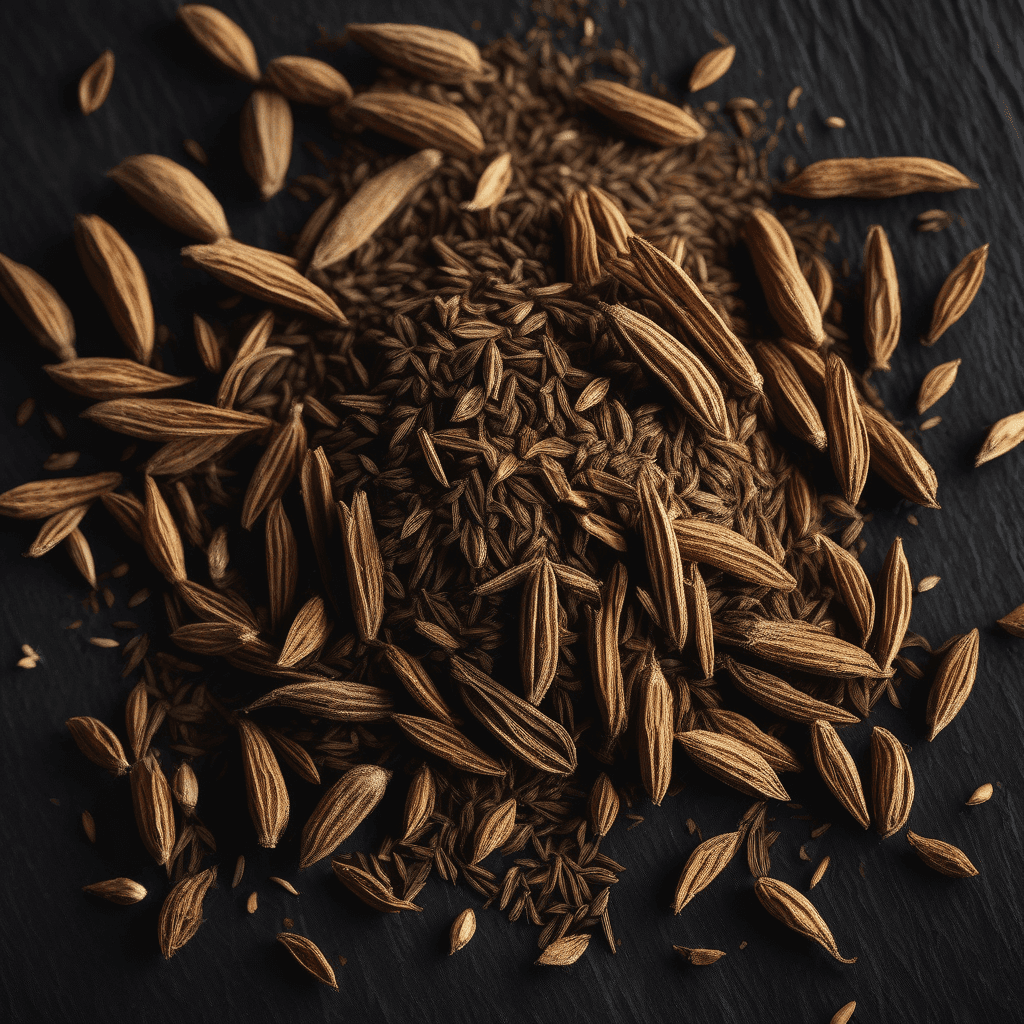
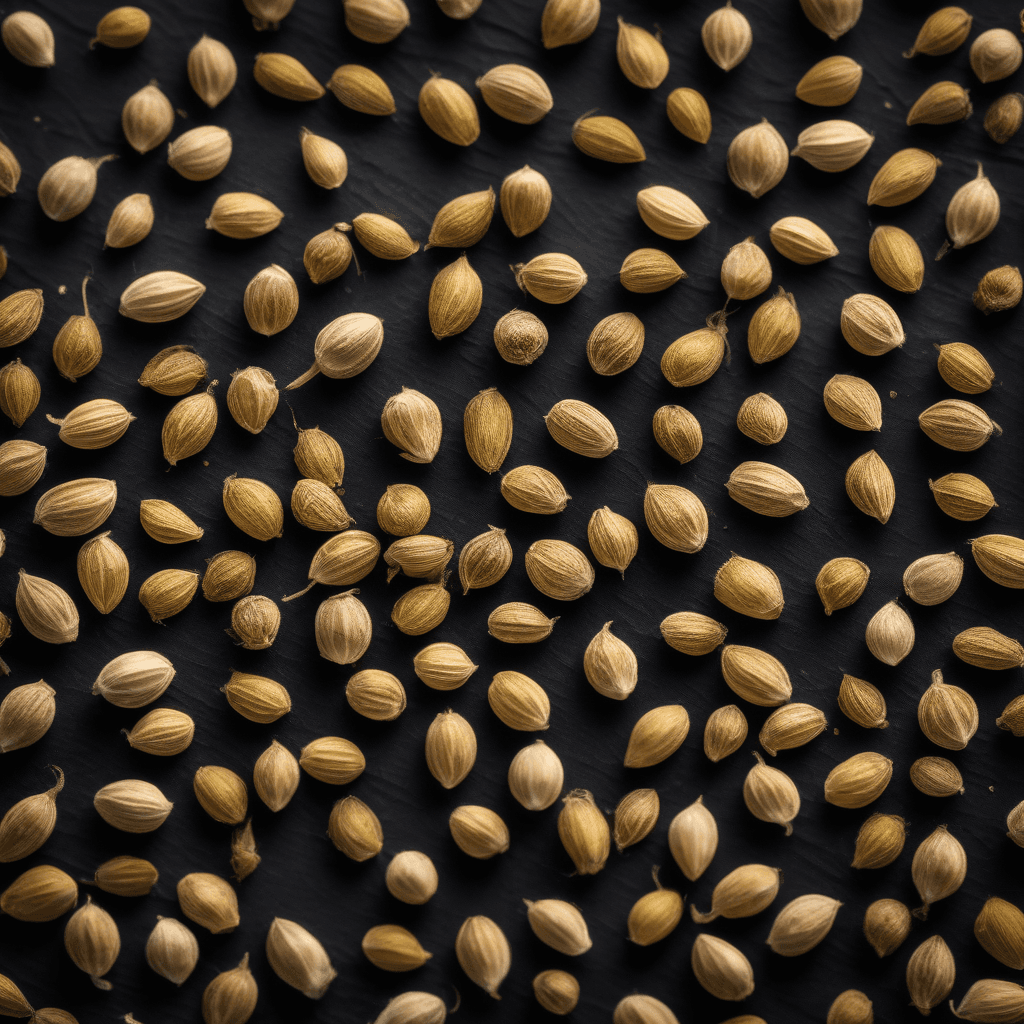
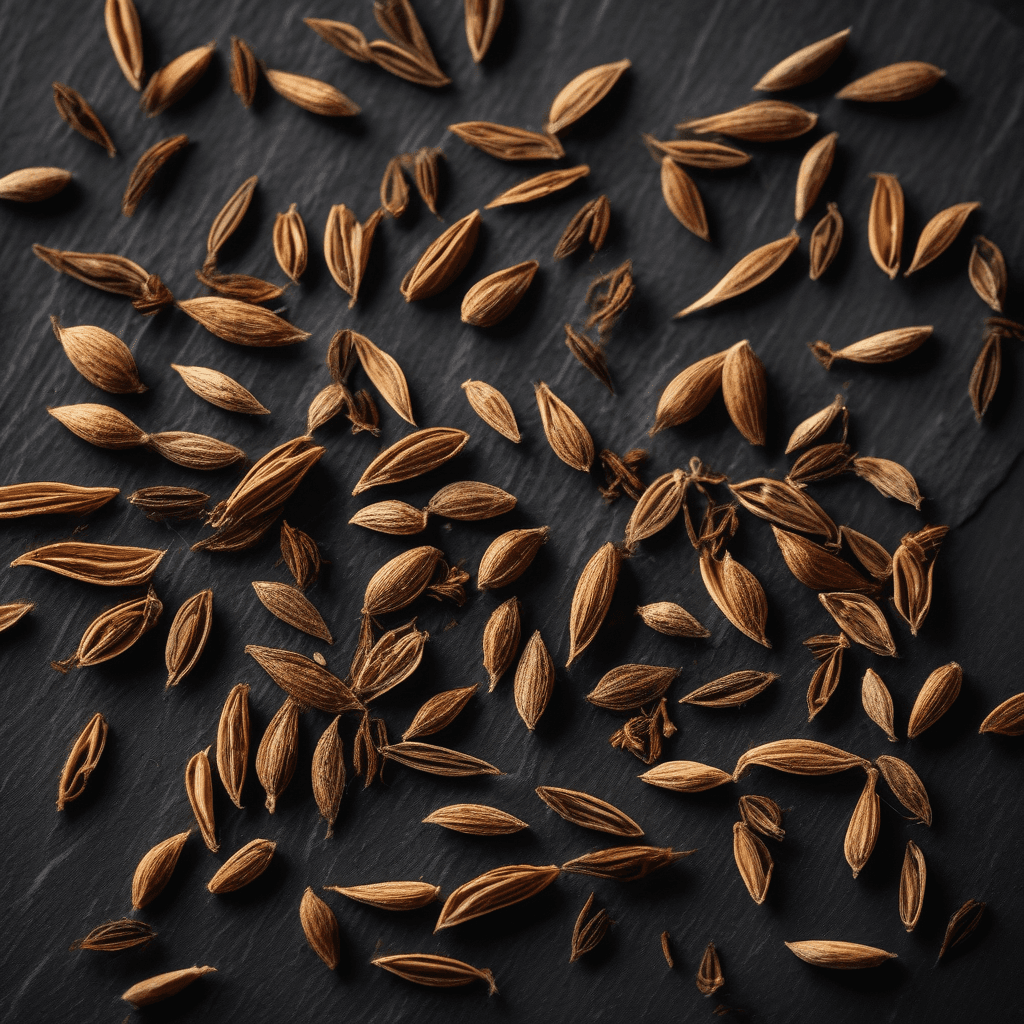
Warm, earthy seed spice central to Mexican, Indian, and Middle Eastern cooking.

Bloom in fat or dry-toast briefly to activate aromatics; avoid scorching.

Bloom in fat or dry-toast briefly to activate aromatics; avoid scorching.

Bloom in fat or dry-toast briefly to activate aromatics; avoid scorching.
Start with 1/4 tsp — flavor is strong and dominant. Pair with sweet fruit to balance.

Bloom in fat or dry-toast briefly to activate aromatics; avoid scorching.

Bloom in fat or dry-toast briefly to activate aromatics; avoid scorching.

Bloom in fat or dry-toast briefly to activate aromatics; avoid scorching.

Bloom in fat or dry-toast briefly to activate aromatics; avoid scorching.

Bloom in fat or dry-toast briefly to activate aromatics; avoid scorching.

Warm, comforting spice

A complex North African blend — the name means 'top of the shop', the best a spice seller offers.

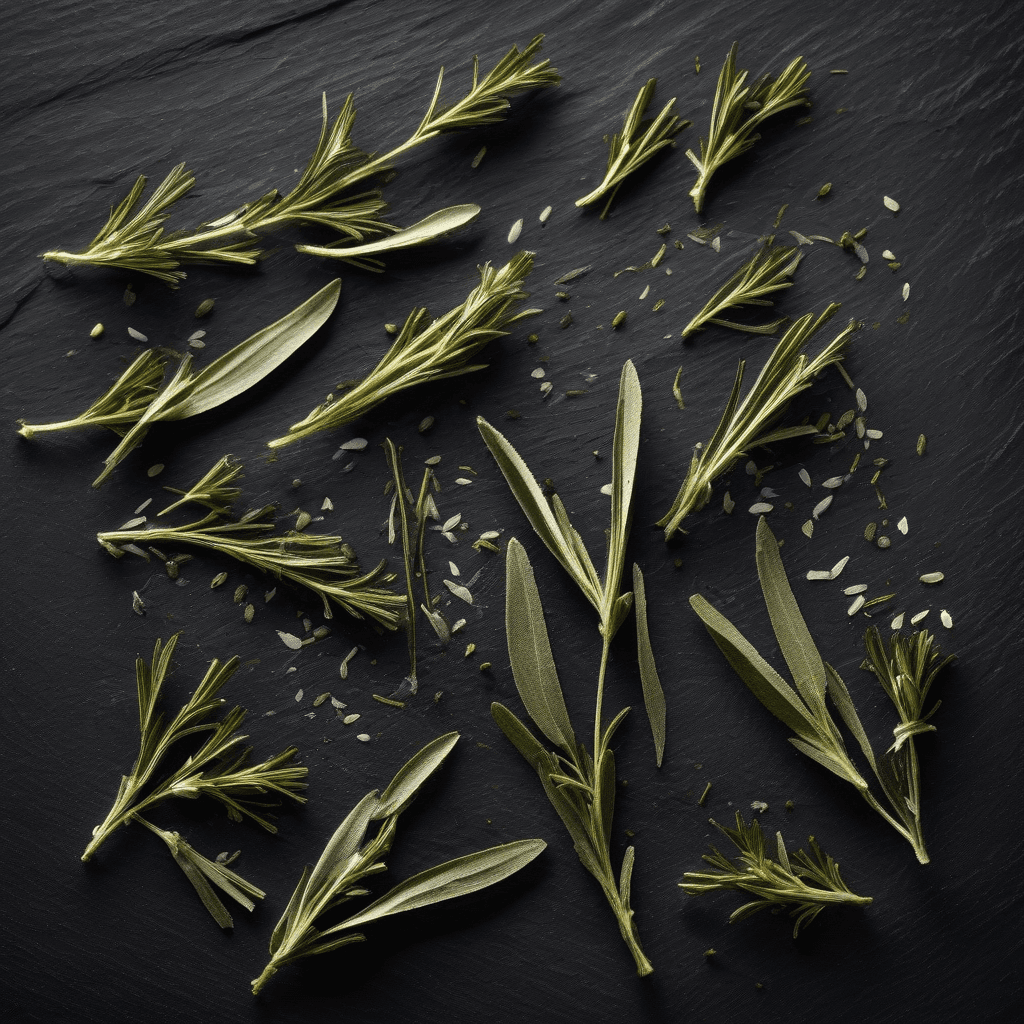
A dried blend of southern French herbs — thyme, rosemary, and savory, often with lavender.

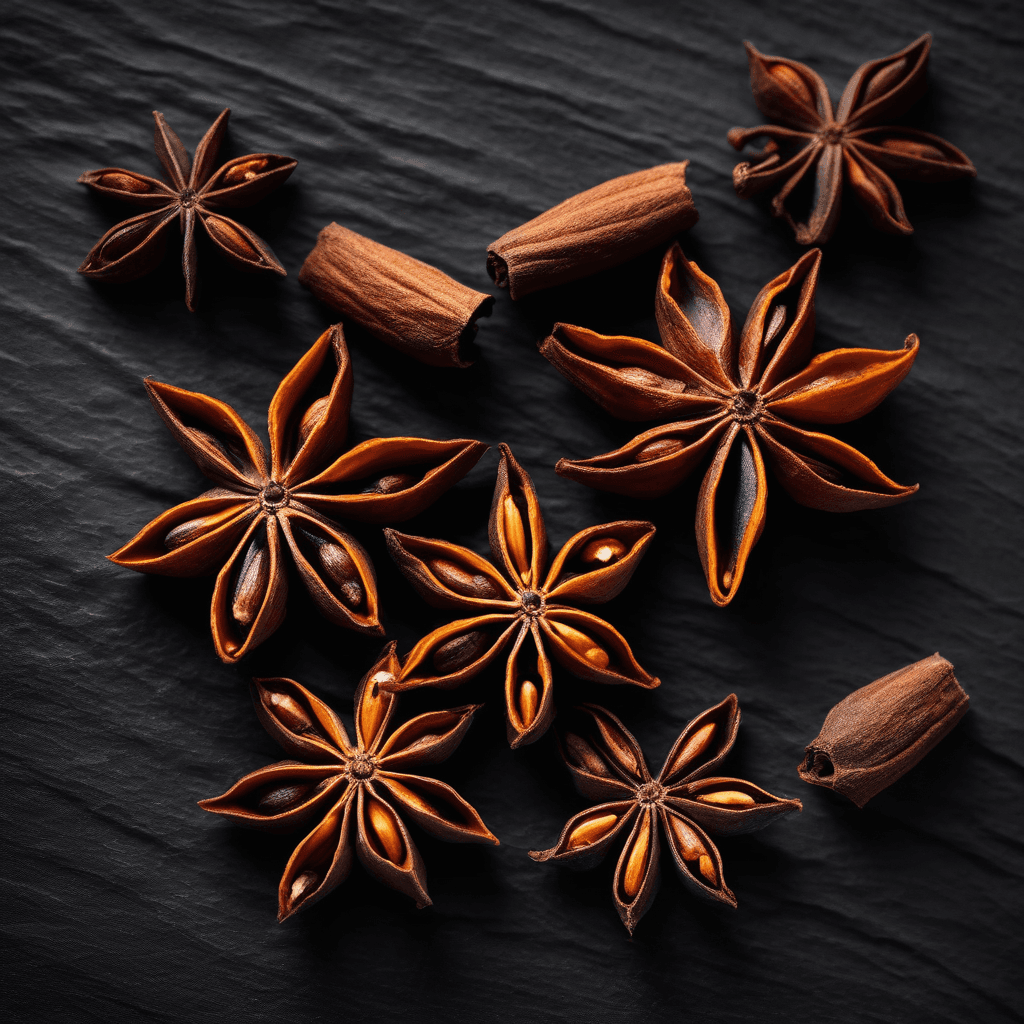
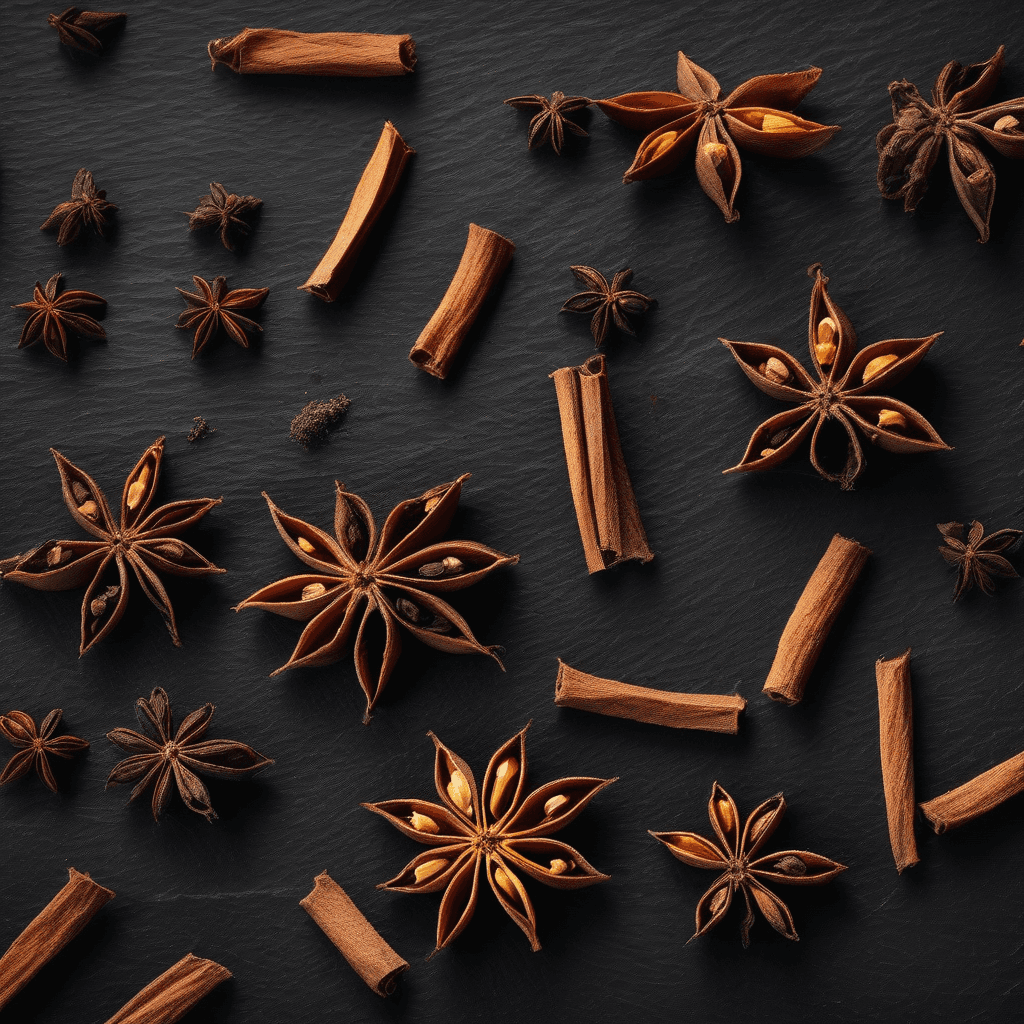
A balanced blend of star anise, fennel, clove, cinnamon, and Sichuan pepper.

Bloom in fat or dry-toast briefly to activate aromatics; avoid scorching.

Bloom in fat or dry-toast briefly to activate aromatics; avoid scorching.

Bloom in fat or dry-toast briefly to activate aromatics; avoid scorching.

Bloom in fat or dry-toast briefly to activate aromatics; avoid scorching.

Bloom in fat or dry-toast briefly to activate aromatics; avoid scorching.

Bloom in fat or dry-toast briefly to activate aromatics; avoid scorching.

Bloom in fat or dry-toast briefly to activate aromatics; avoid scorching.

Bloom in fat or dry-toast briefly to activate aromatics; avoid scorching.

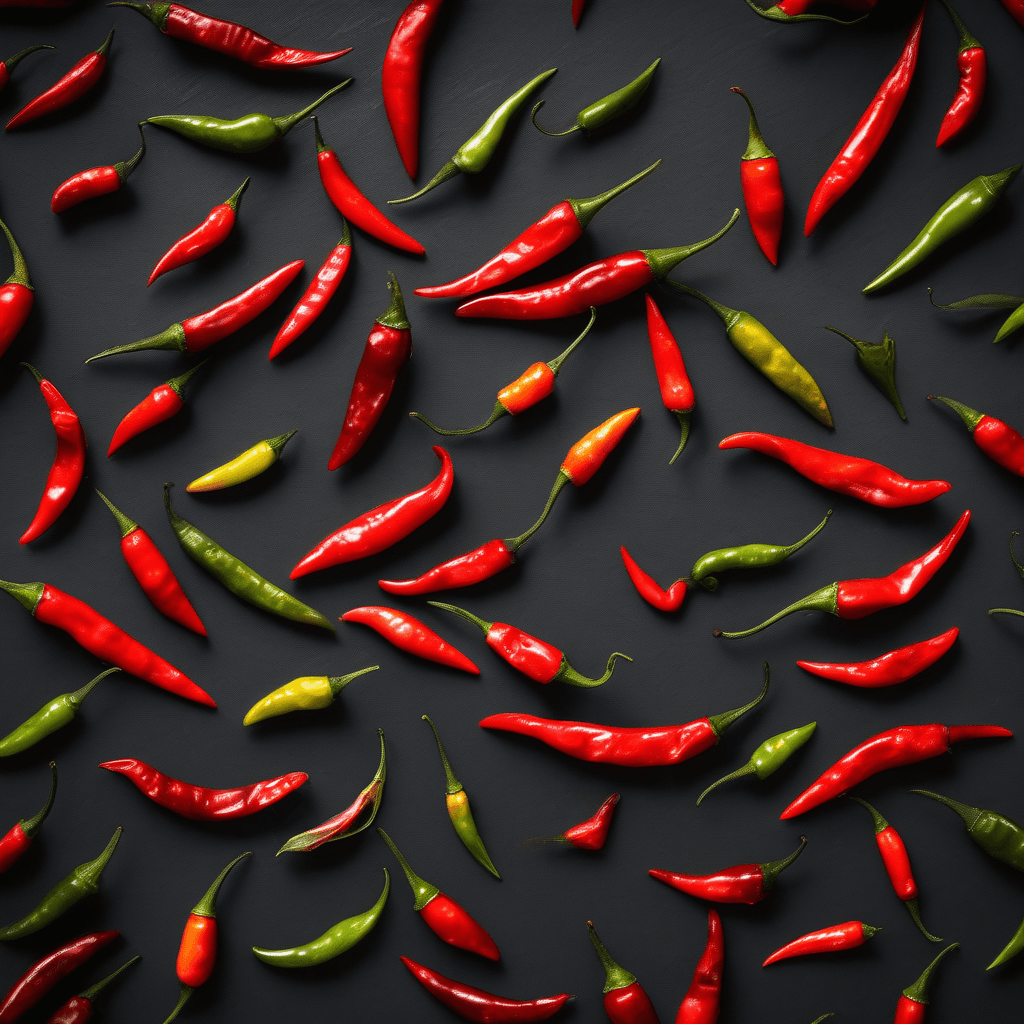
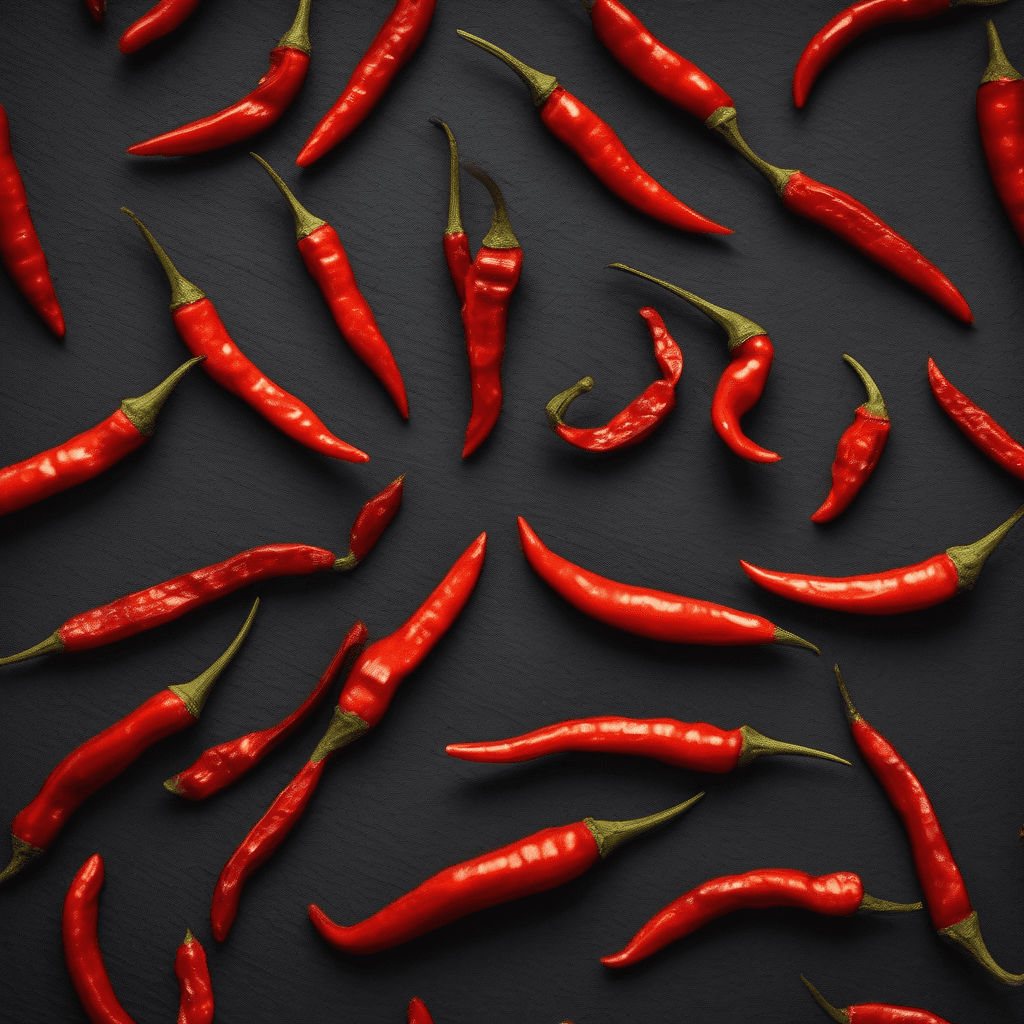
Fiery ground chili used in small amounts to add clean, building heat.
Balance salt, acid, and umami progressively throughout cooking.

Balance salt, acid, and umami progressively throughout cooking.

Balance salt, acid, and umami progressively throughout cooking.

Balance salt, acid, and umami progressively throughout cooking.

Balance salt, acid, and umami progressively throughout cooking.

Balance salt, acid, and umami progressively throughout cooking.

Balance salt, acid, and umami progressively throughout cooking.

Add fresh herbs at the end of cooking to preserve volatile oils; dried herbs go in early.
Add fresh herbs at the end of cooking to preserve volatile oils; dried herbs go in early.
Add fresh herbs at the end of cooking to preserve volatile oils; dried herbs go in early.
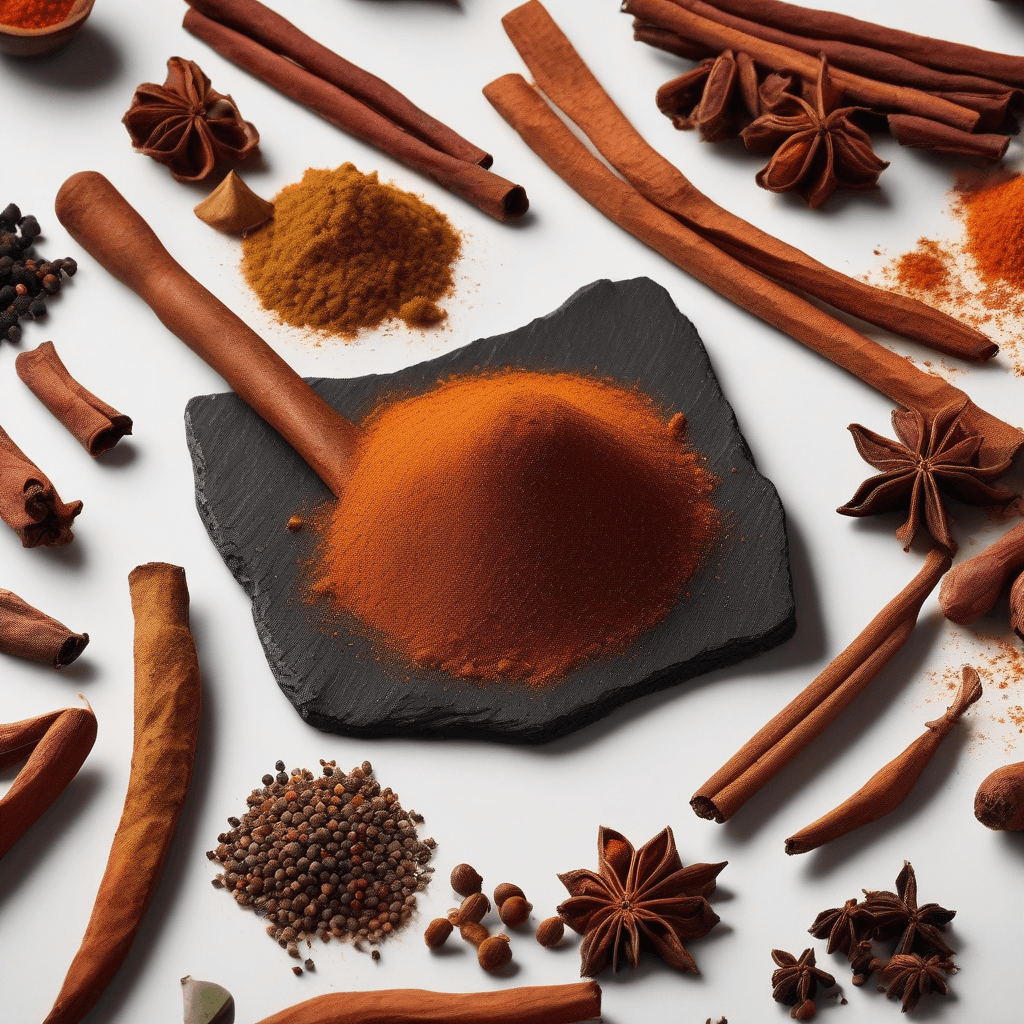
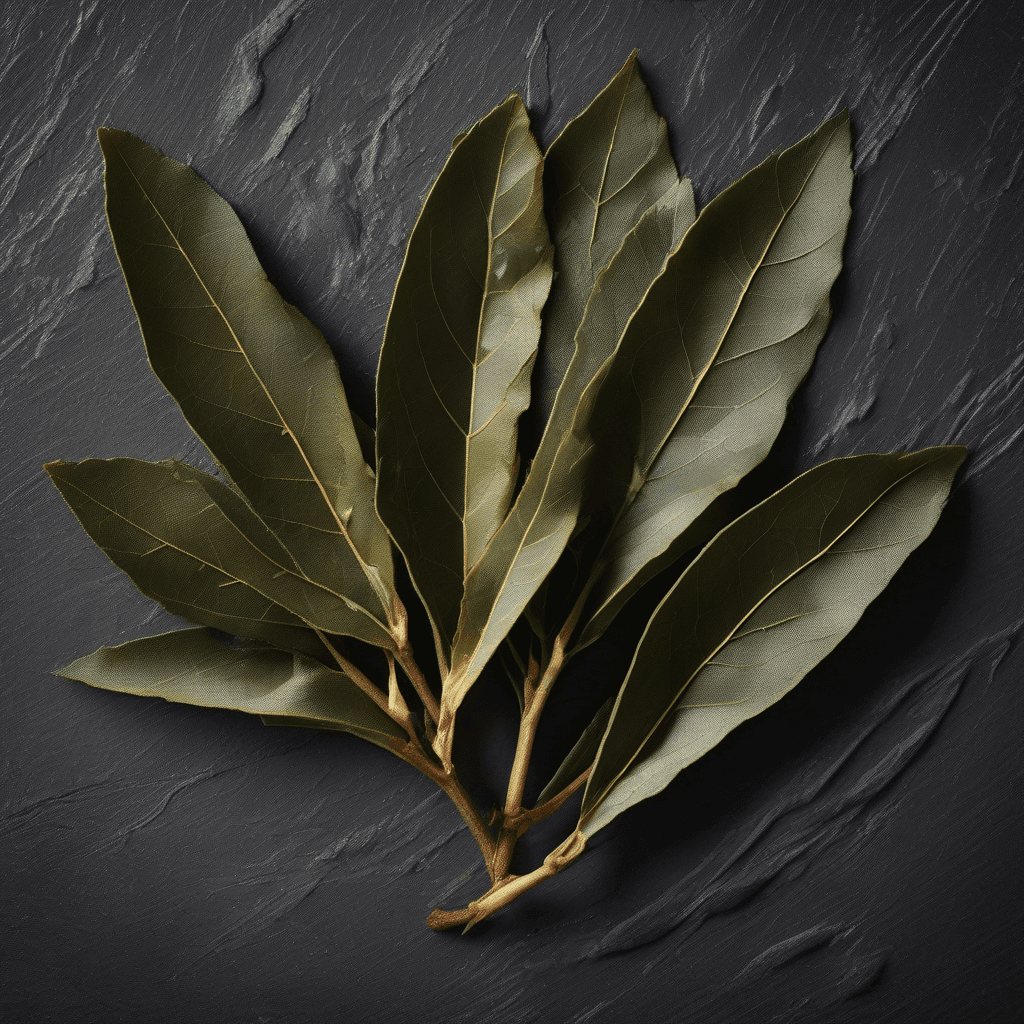
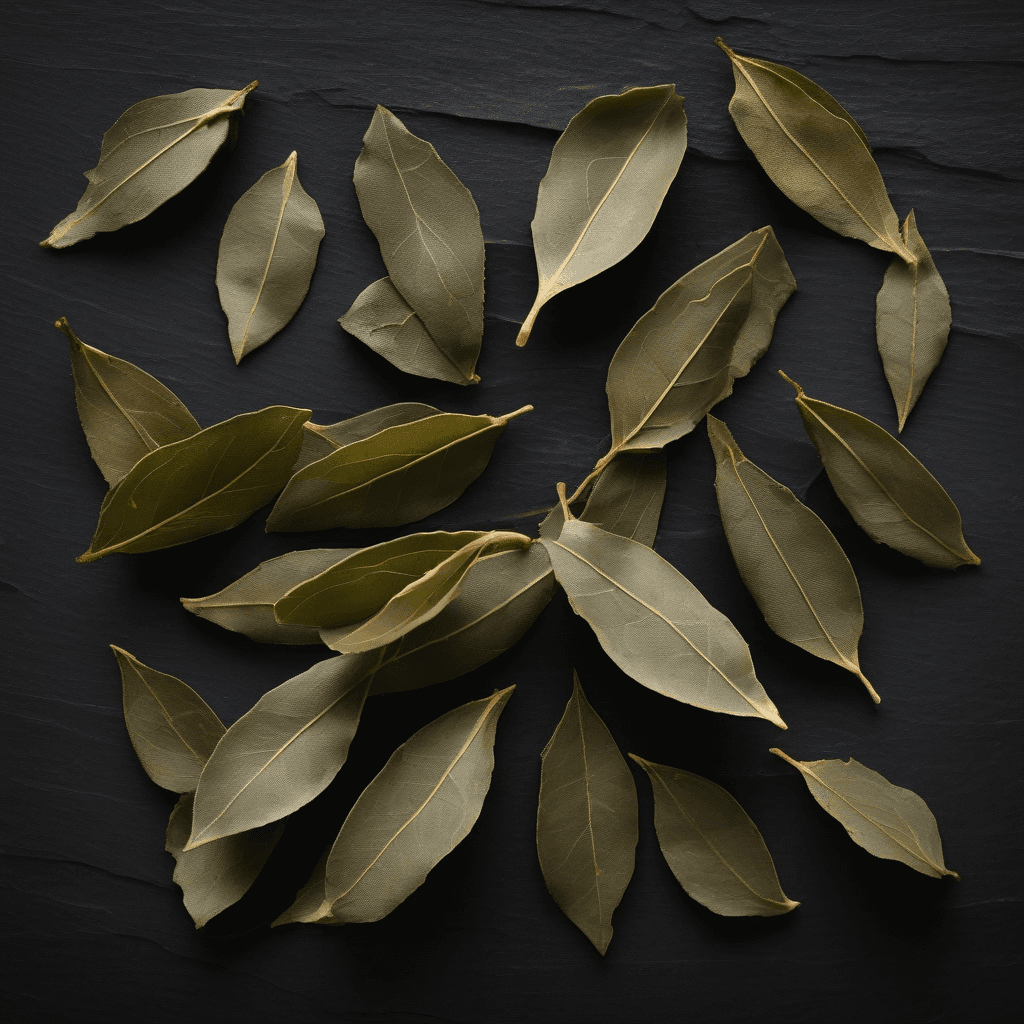
Releases a subtle, woody, eucalyptus-like aroma slowly into long-cooked dishes.

Add fresh herbs at the end of cooking to preserve volatile oils; dried herbs go in early.

Add fresh herbs at the end of cooking to preserve volatile oils; dried herbs go in early.

Add fresh herbs at the end of cooking to preserve volatile oils; dried herbs go in early.

Add fresh herbs at the end of cooking to preserve volatile oils; dried herbs go in early.

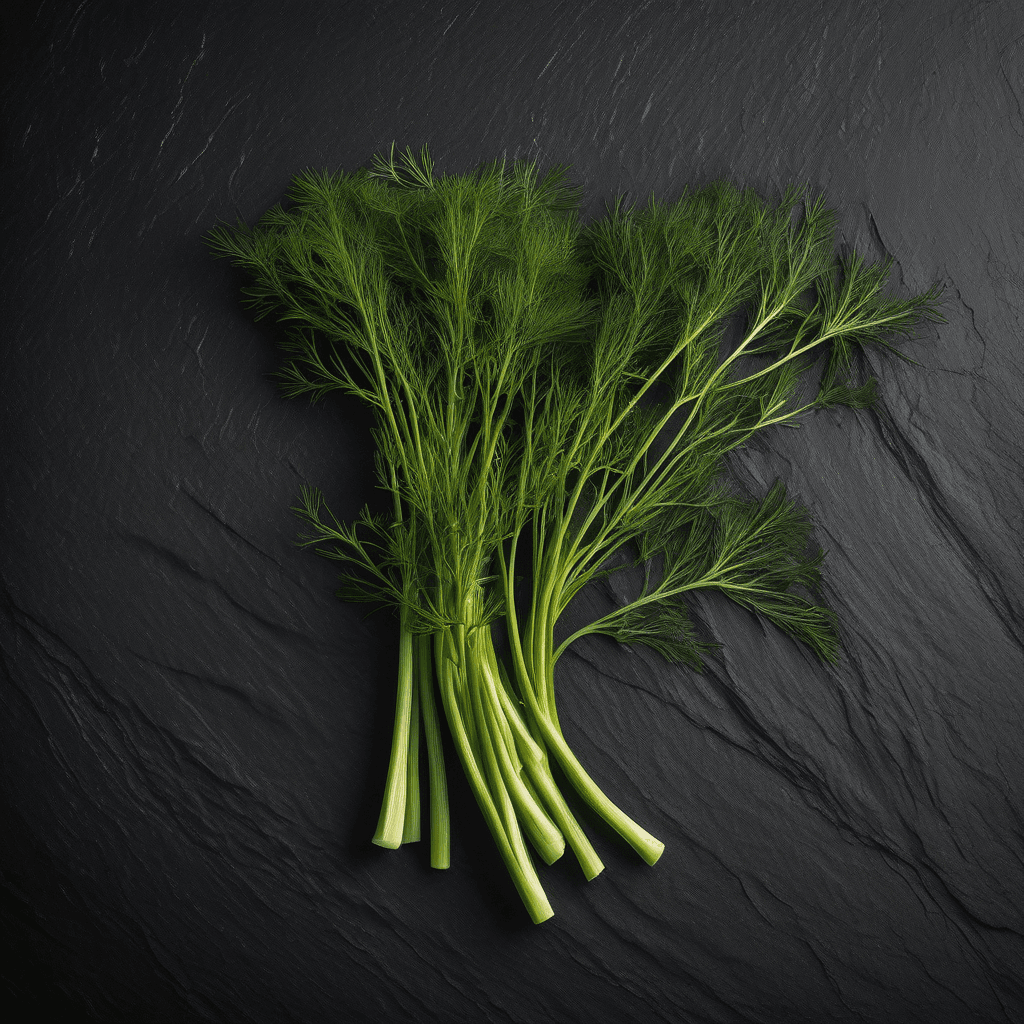
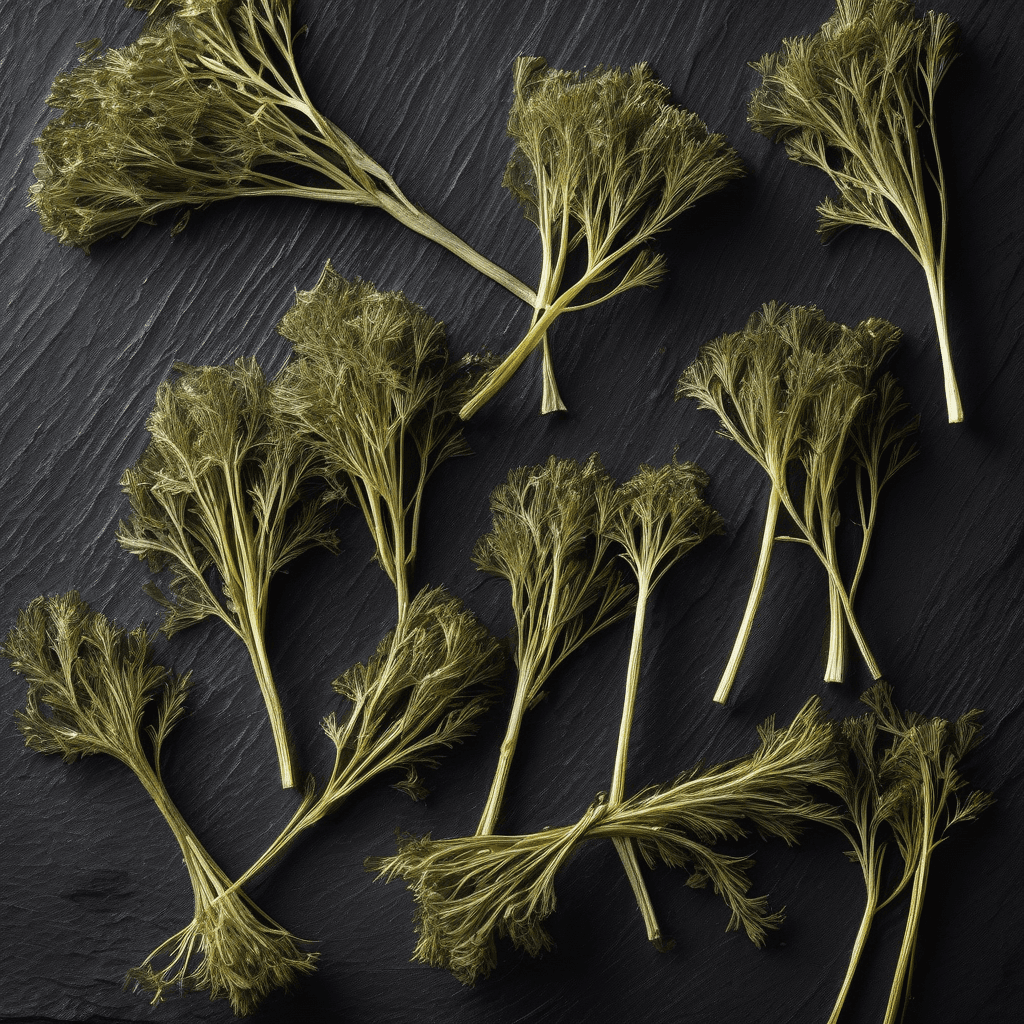
Feathery, fresh herb with a grassy anise note; central to Scandinavian and Eastern European cooking.

Add fresh herbs at the end of cooking to preserve volatile oils; dried herbs go in early.

Add fresh herbs at the end of cooking to preserve volatile oils; dried herbs go in early.

Add fresh herbs at the end of cooking to preserve volatile oils; dried herbs go in early.

Add fresh herbs at the end of cooking to preserve volatile oils; dried herbs go in early.

Add fresh herbs at the end of cooking to preserve volatile oils; dried herbs go in early.

Add fresh herbs at the end of cooking to preserve volatile oils; dried herbs go in early.

Add fresh herbs at the end of cooking to preserve volatile oils; dried herbs go in early.

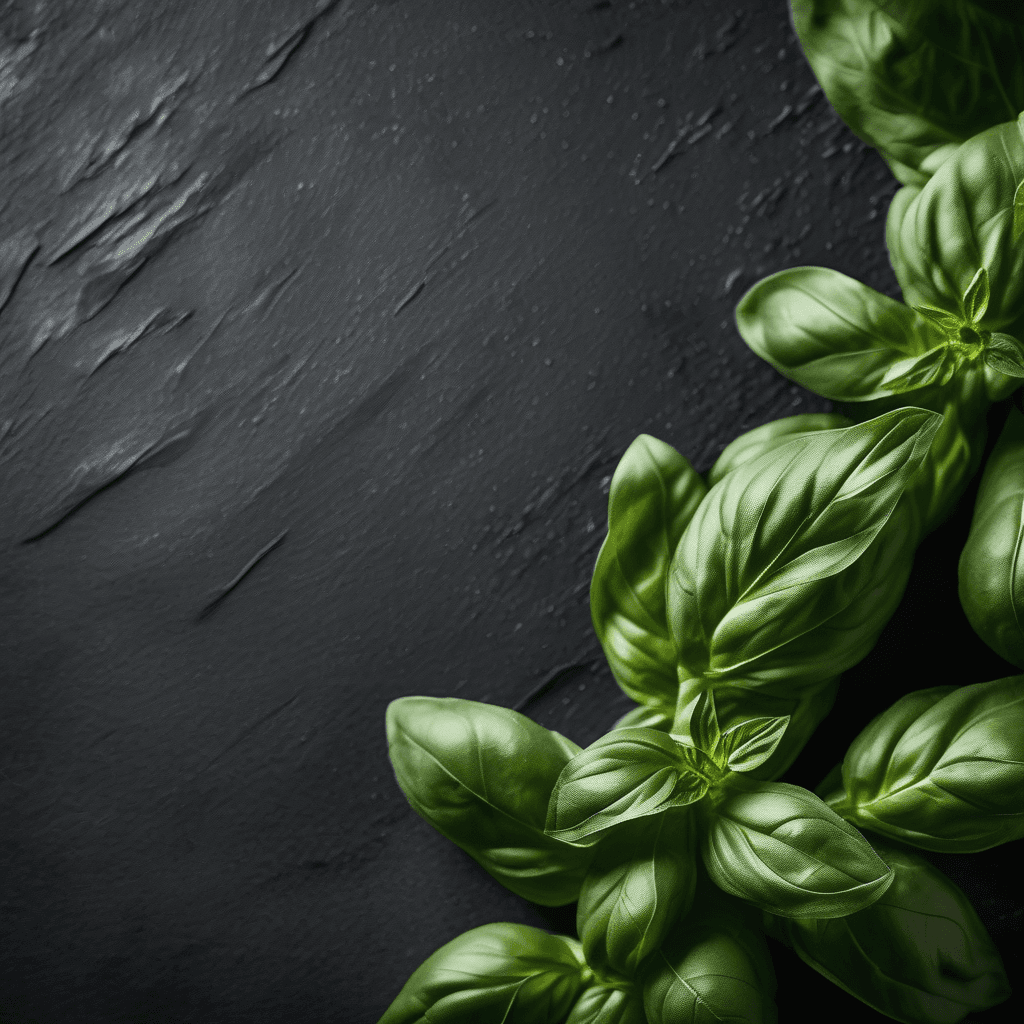
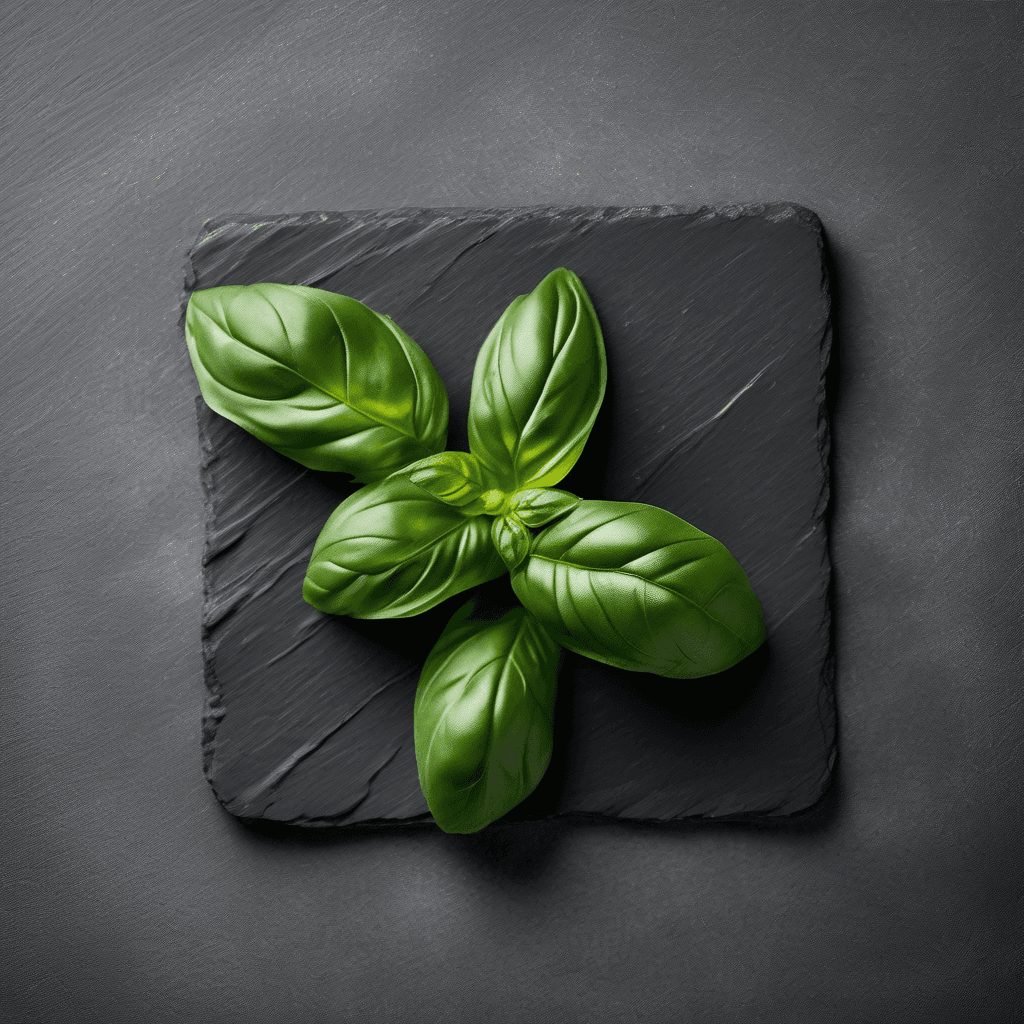
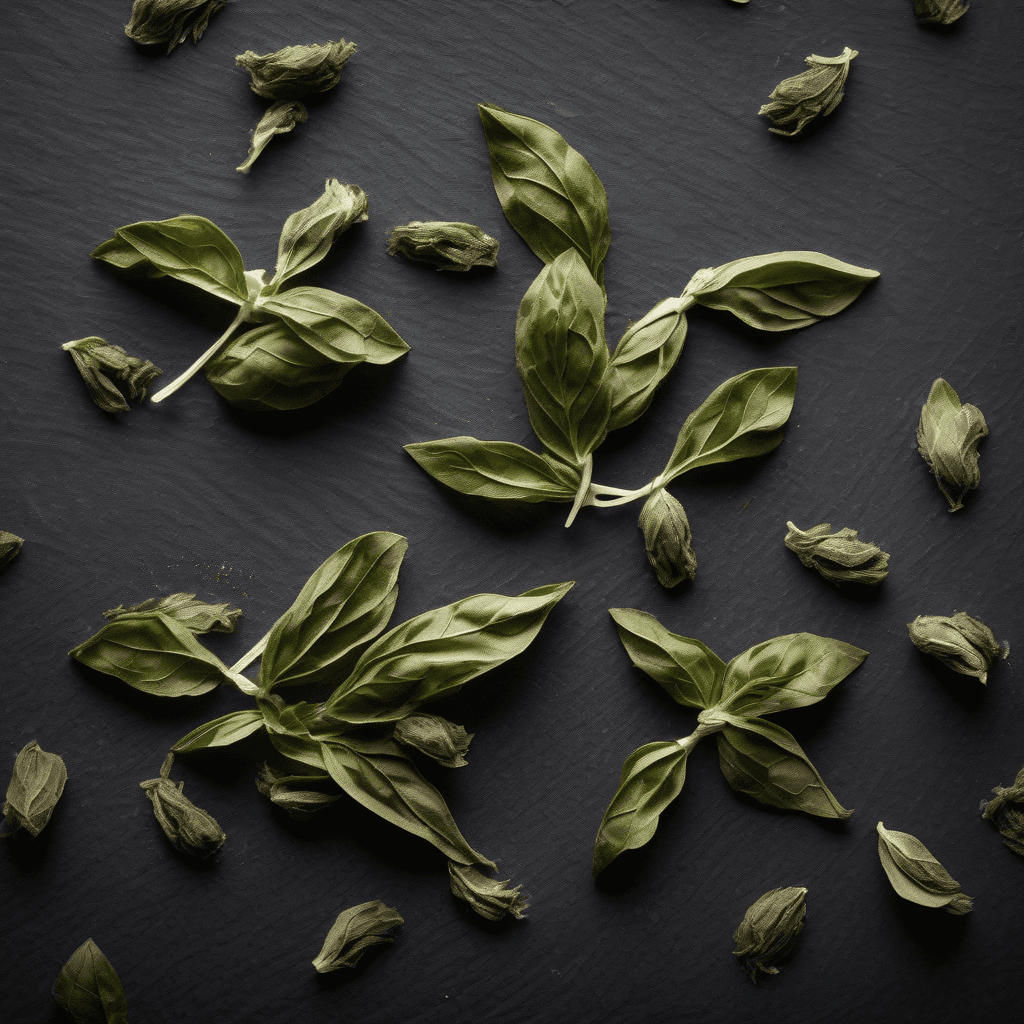
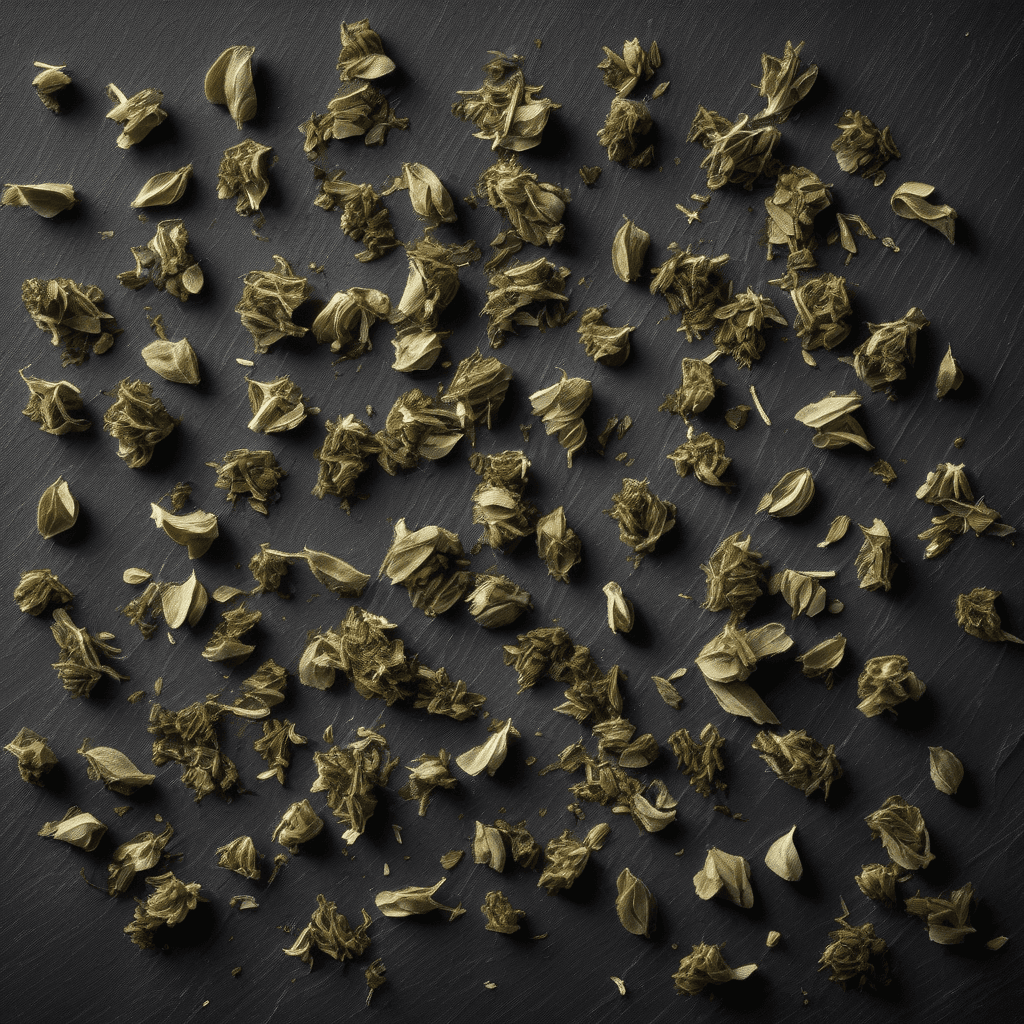
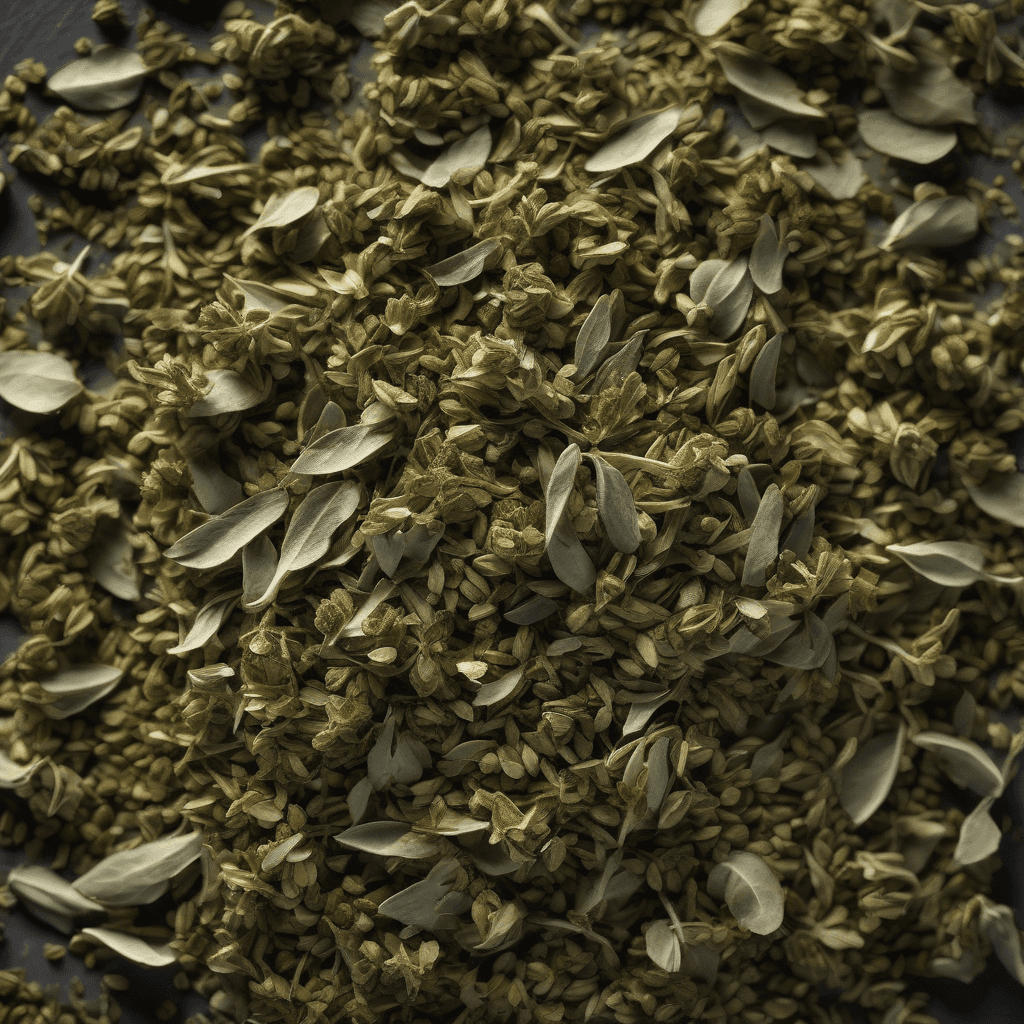
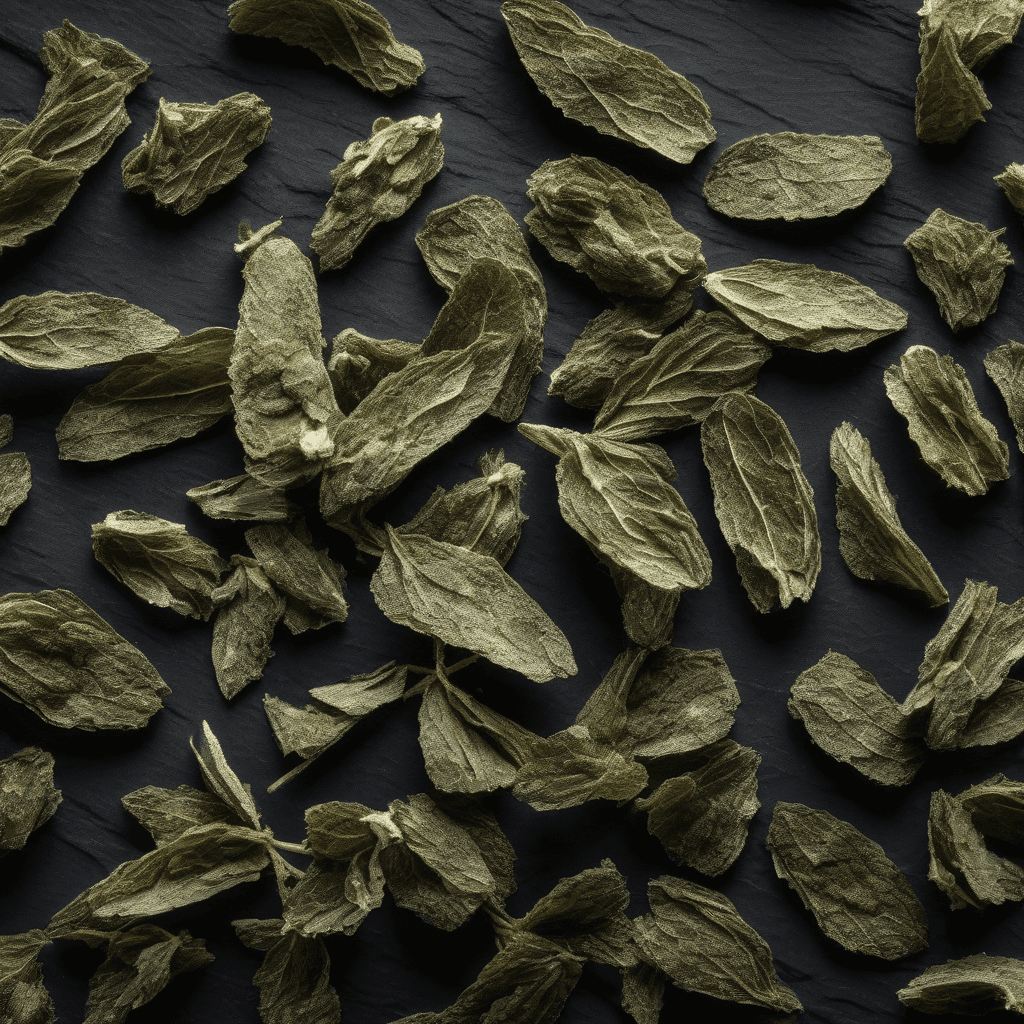
Milder and hay-like compared to fresh basil; better in cooked sauces than as a finish.

Robust and slightly bitter; one of the few herbs often preferred dried over fresh.

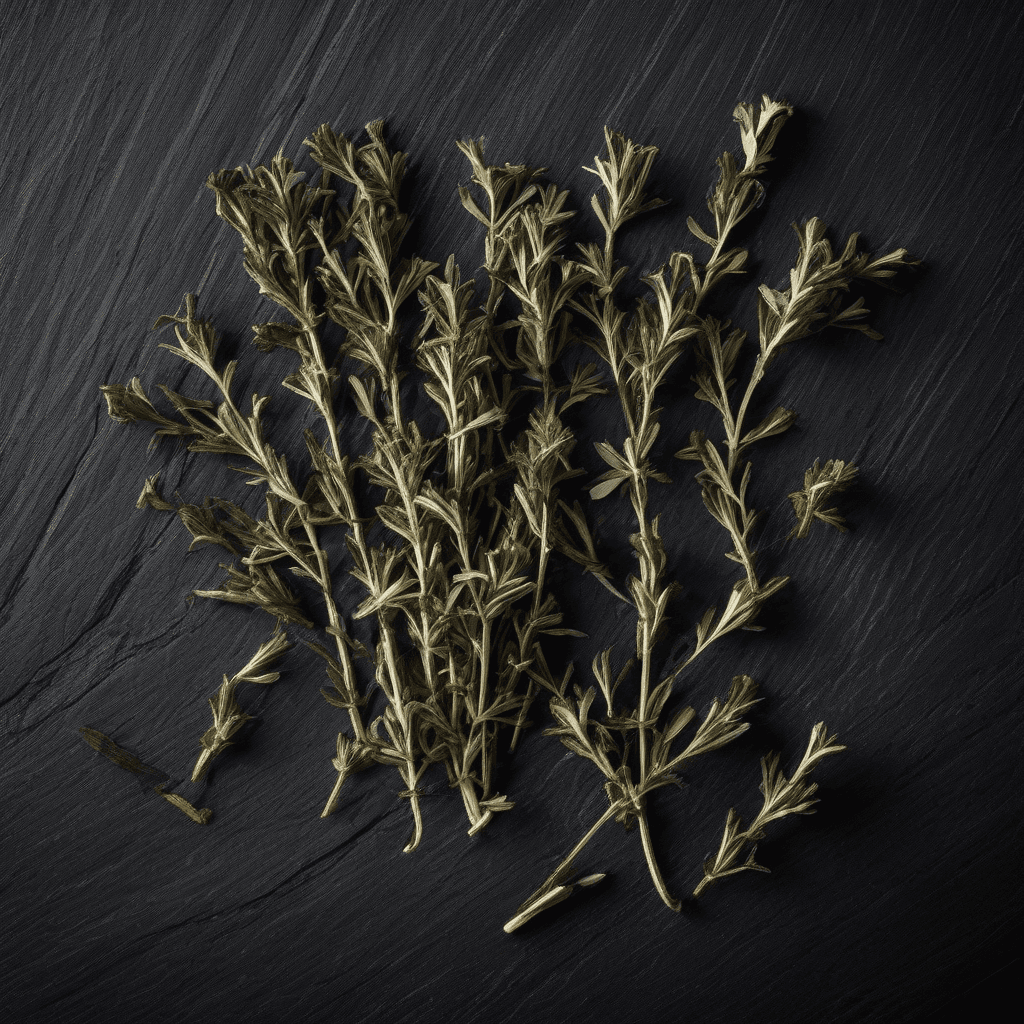
Holds its flavor well dried; a backbone herb for braises and stocks.

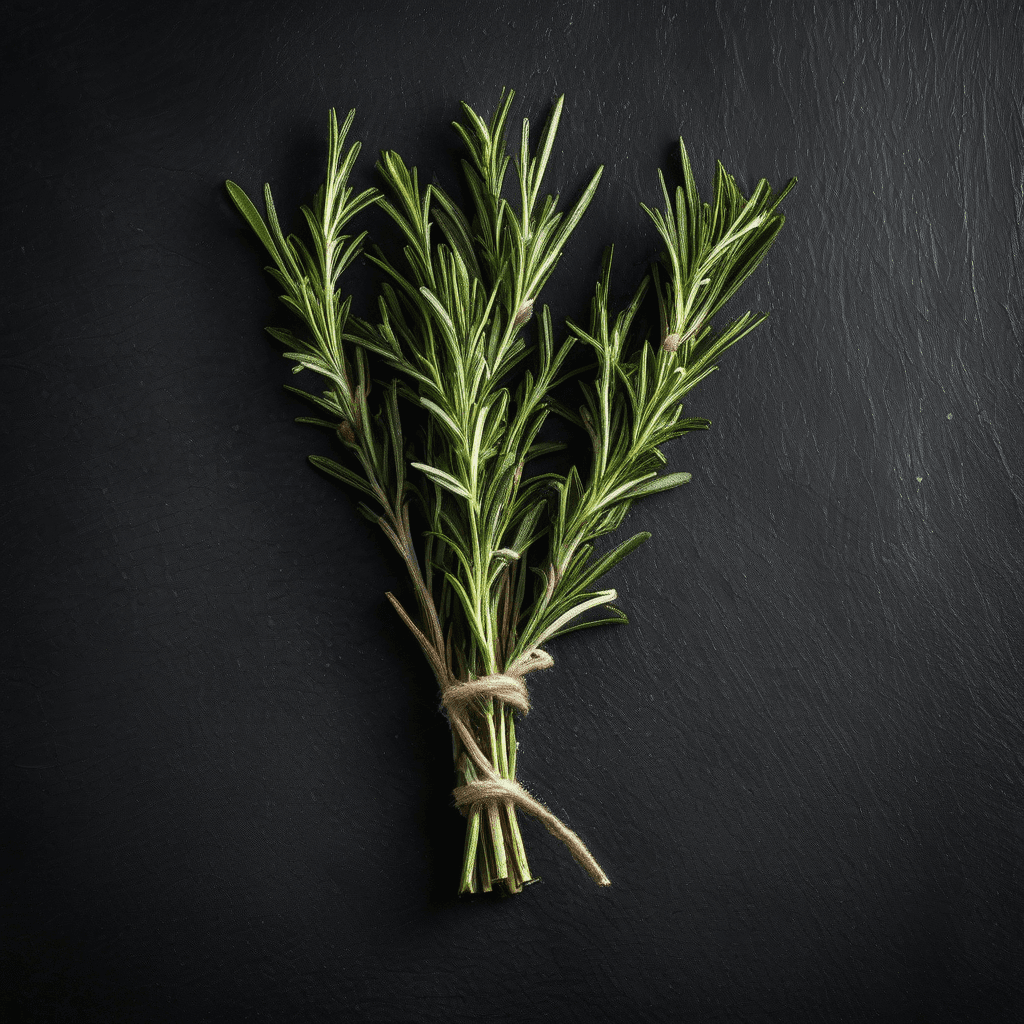
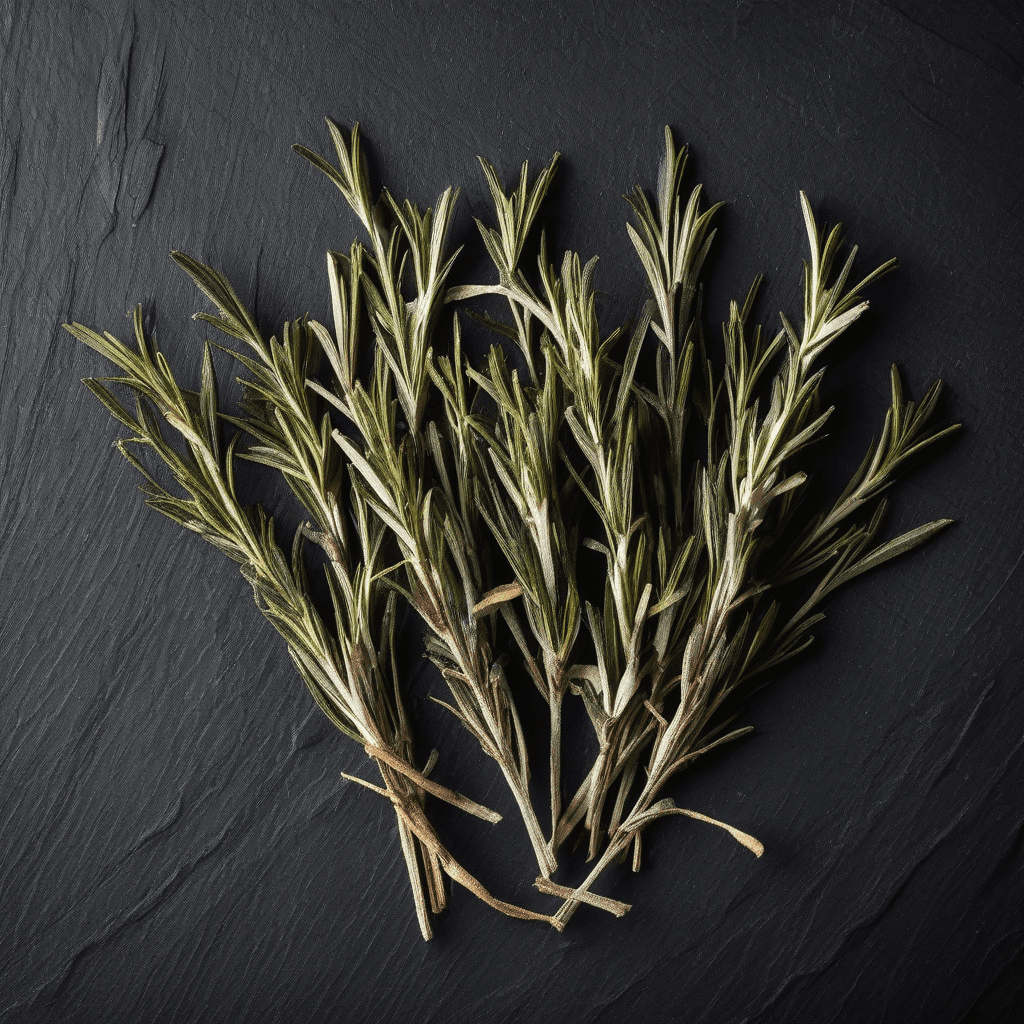
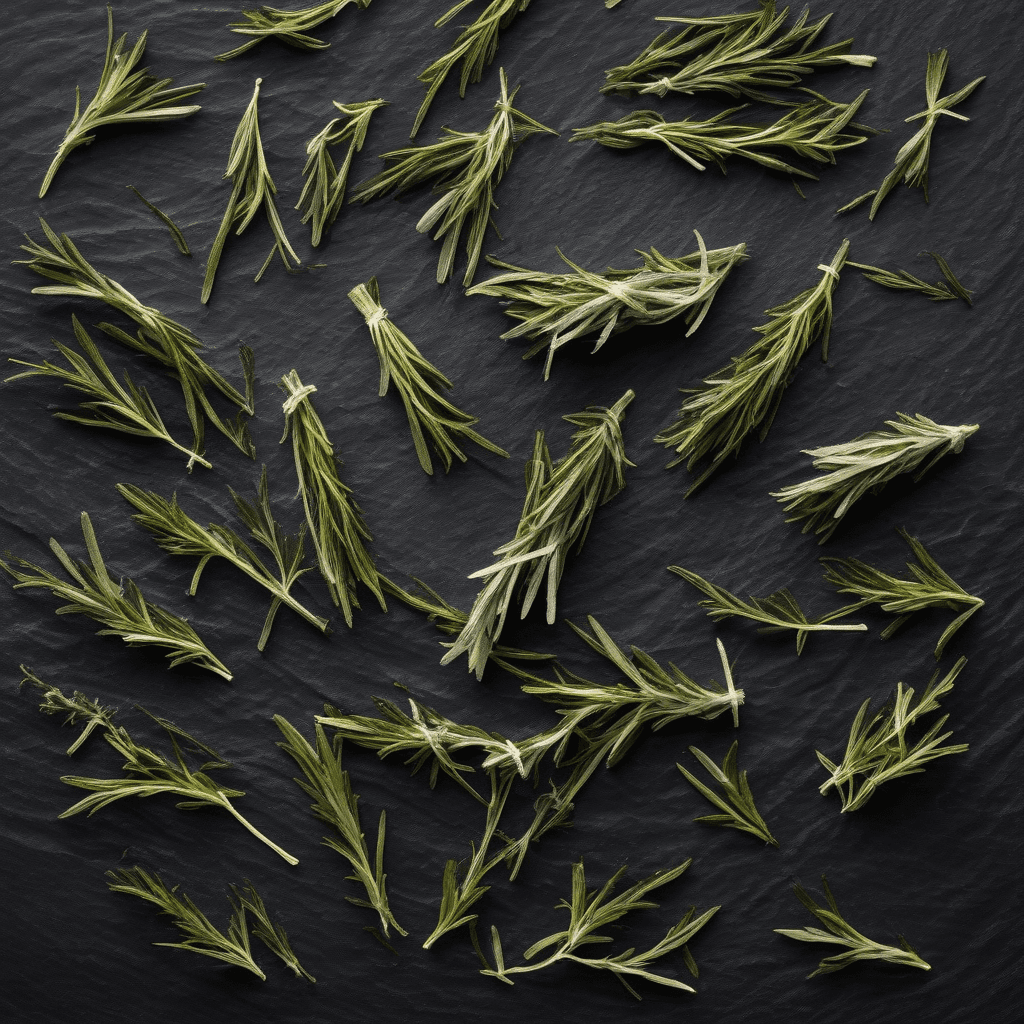
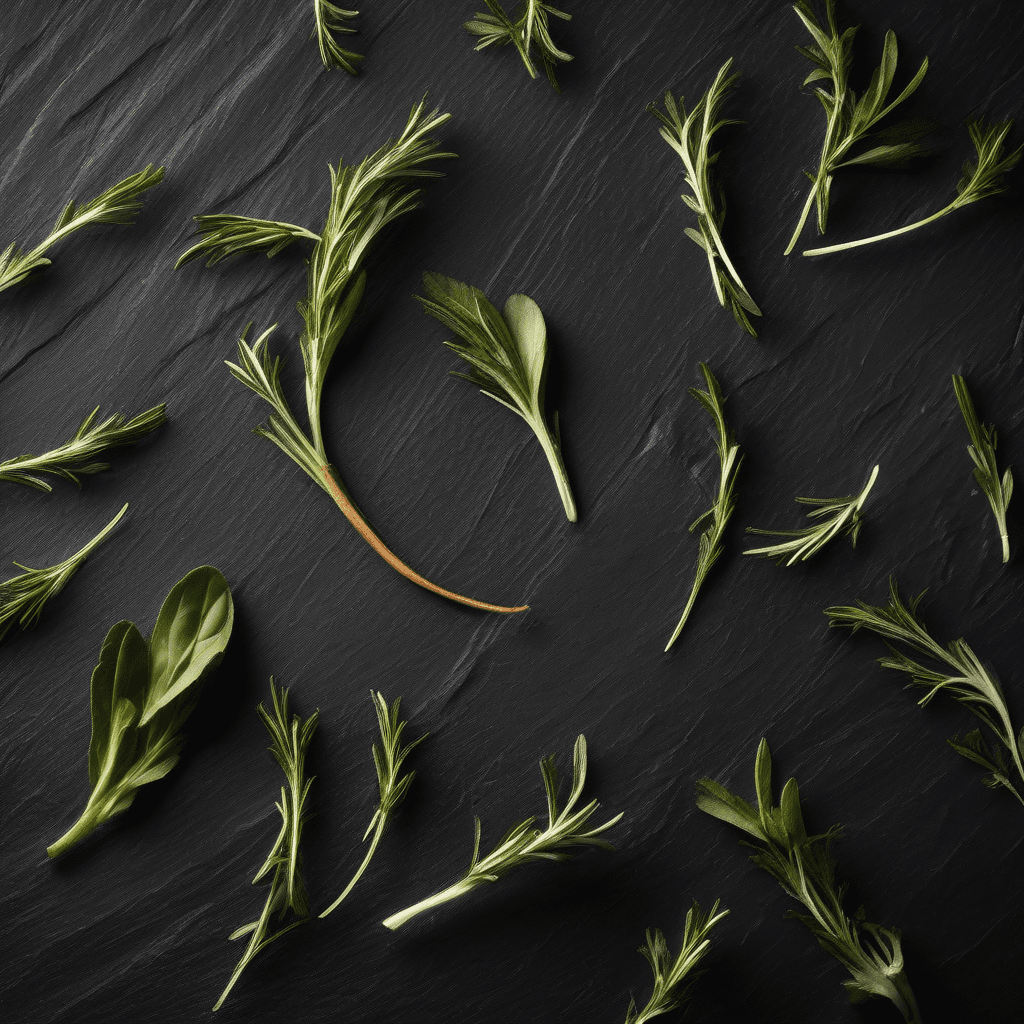
Intensely piney; dried needles stay stiff, so crush or grind them.

Warm and slightly musty; a classic with poultry, pork, and stuffing.

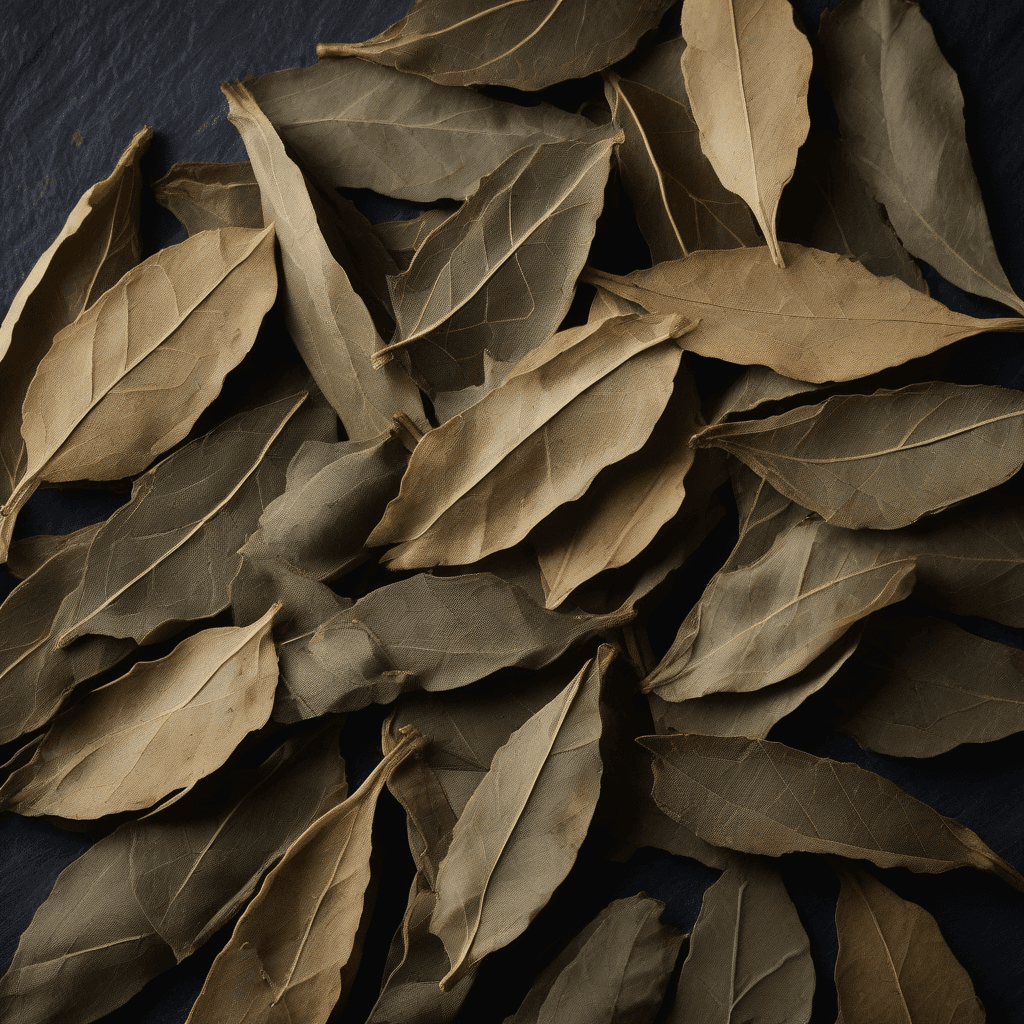
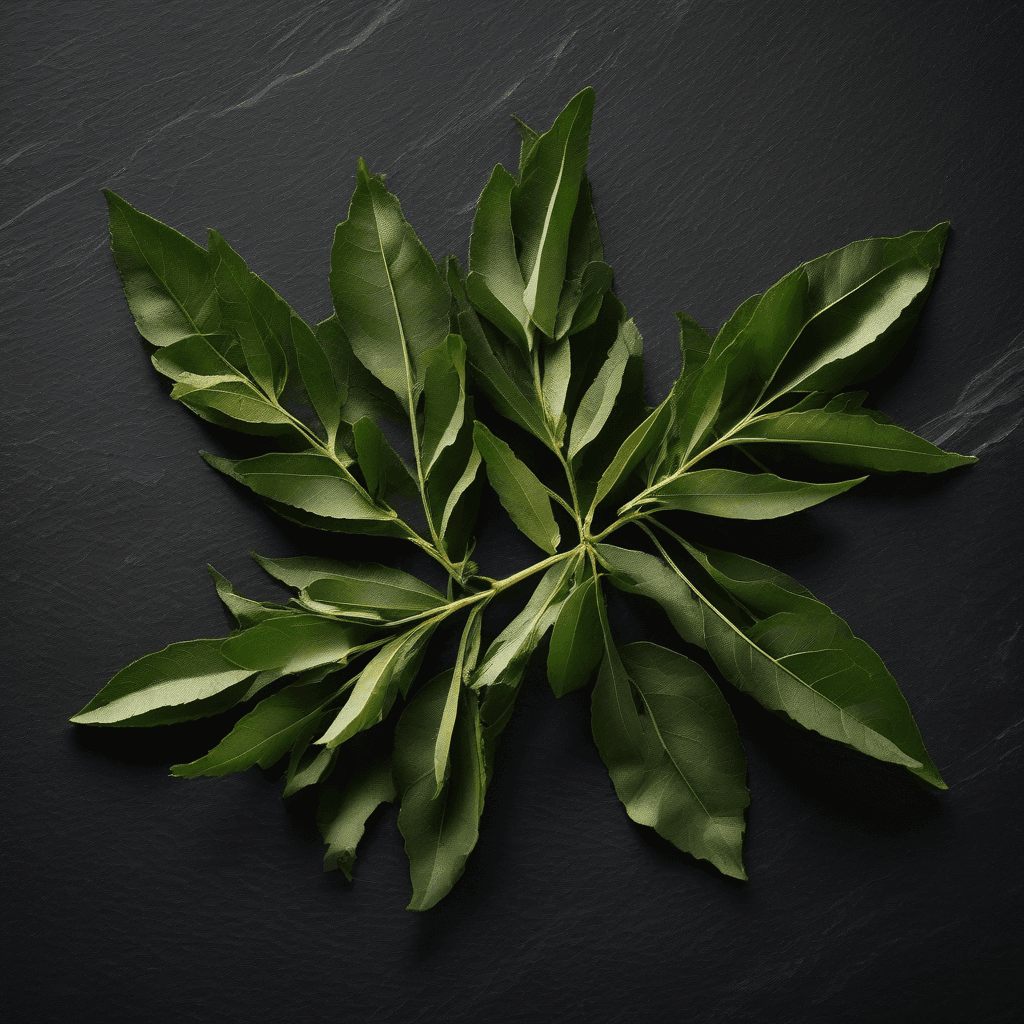
Whole dried leaves that release a slow, woody aroma into long-cooked dishes.

Sweeter and gentler than oregano, its close cousin; delicate, so add it late.

Peppery and thyme-like; the classic herb for beans and lentils.

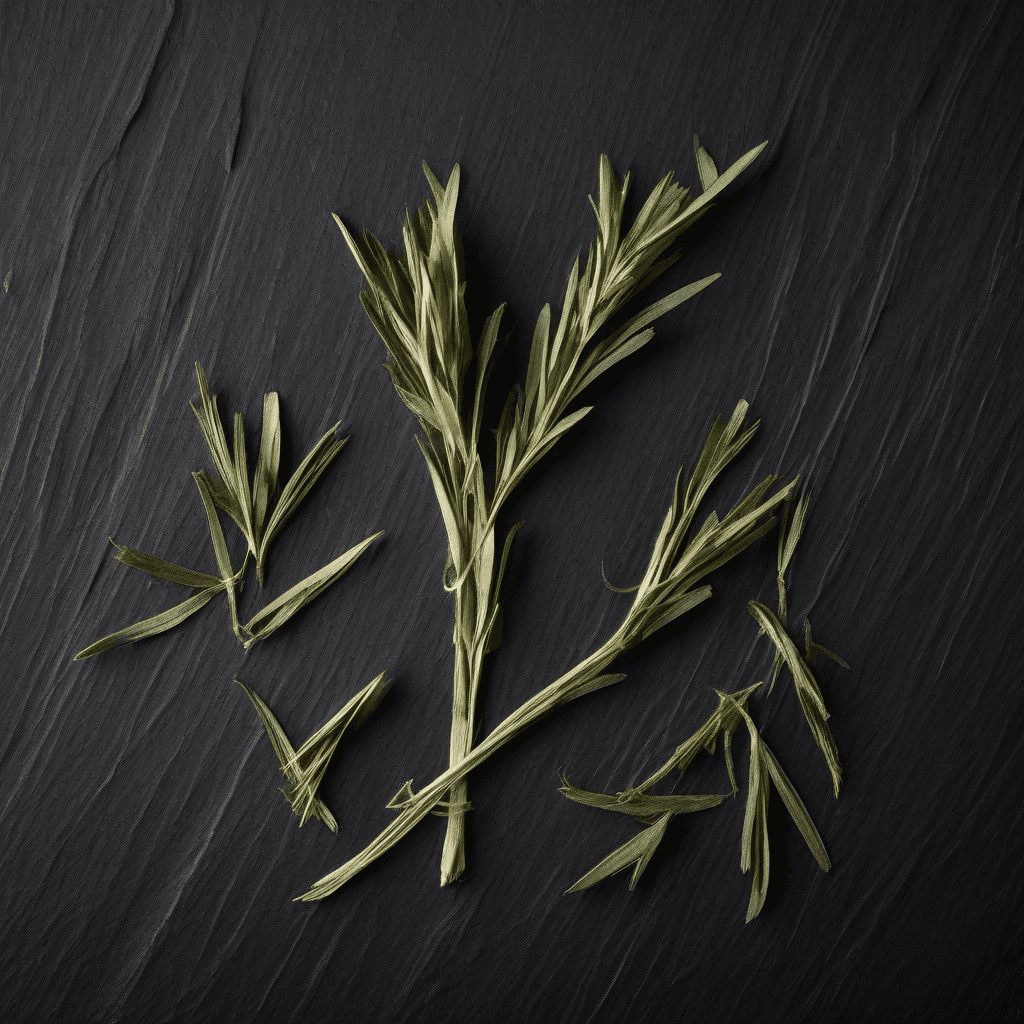
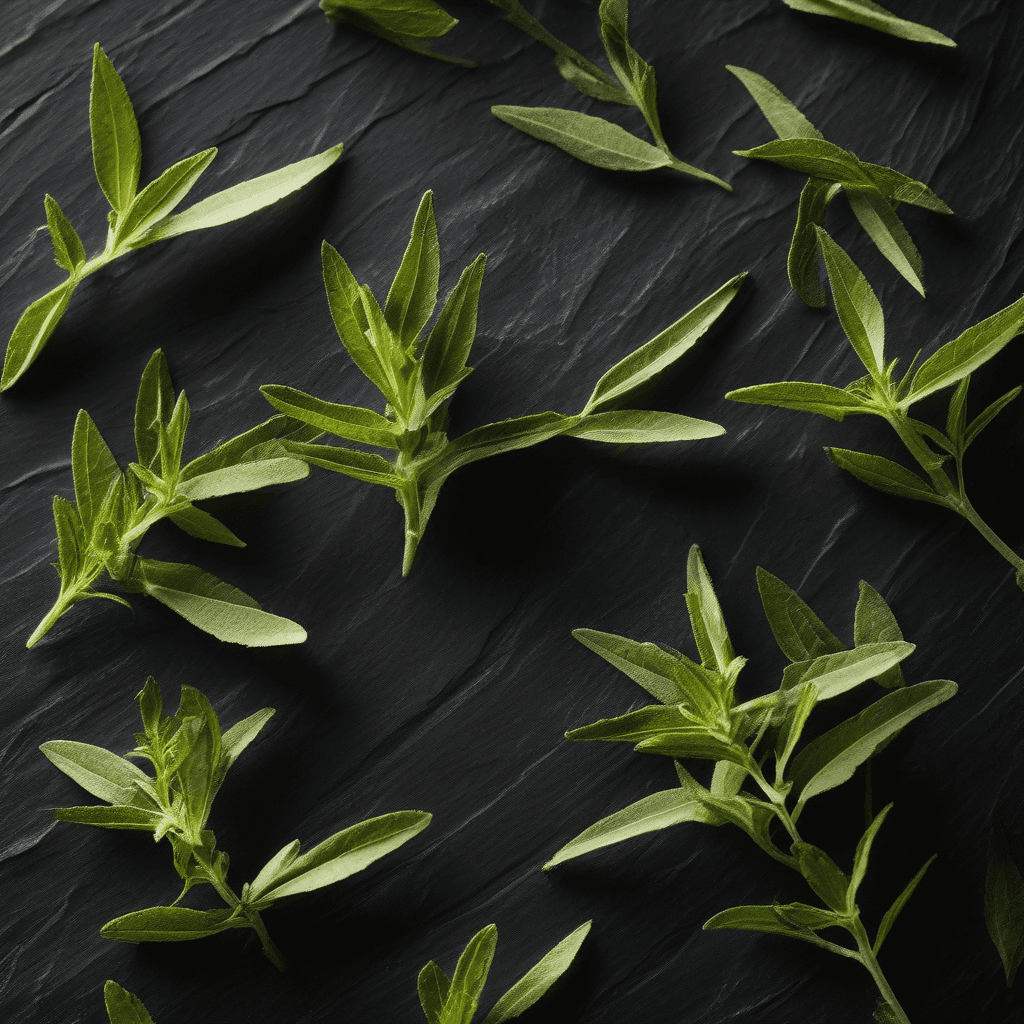
Faint anise note; loses much of its delicate flavor when dried.

Distinctly anise-like; holds its character reasonably well when dried.

Milder than fresh dill weed; convenient for dips, dressings, and pickles.

Cooling and concentrated; common in Middle Eastern and North African cooking.

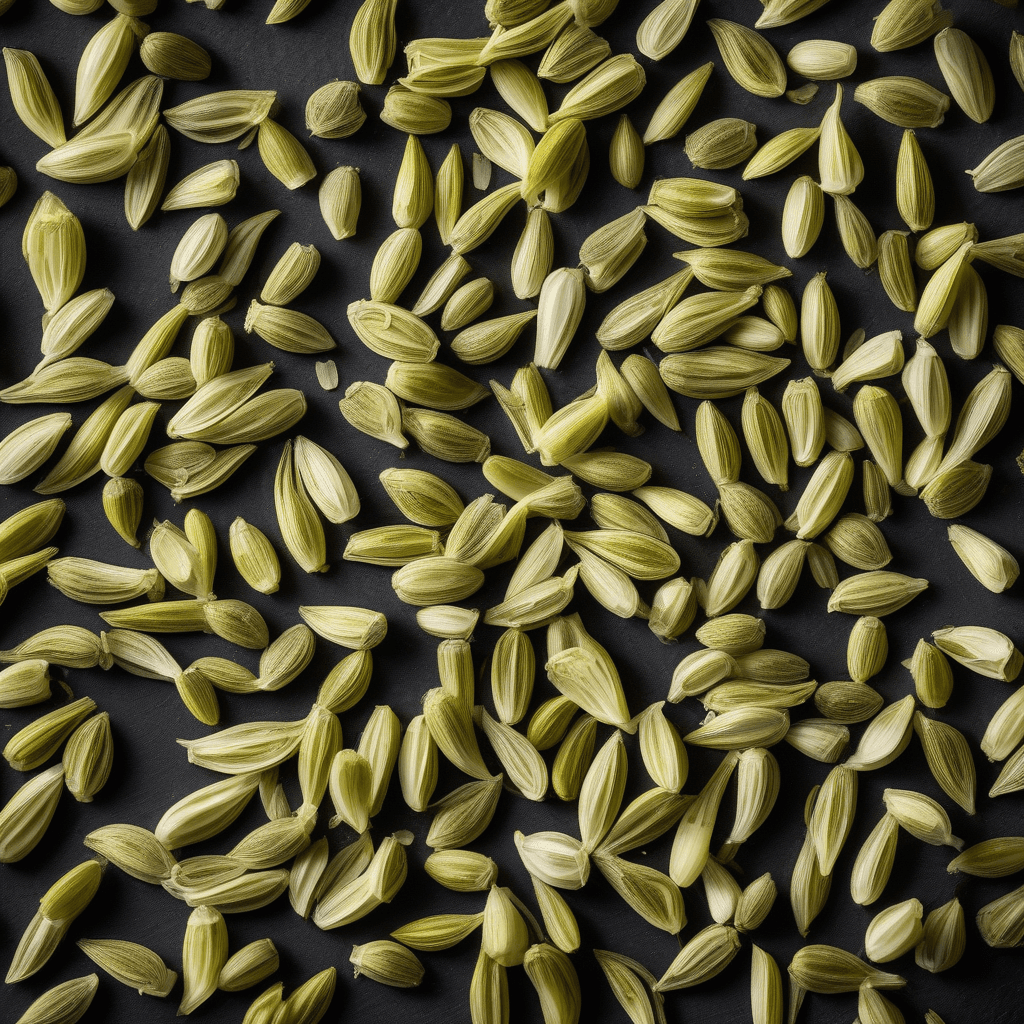
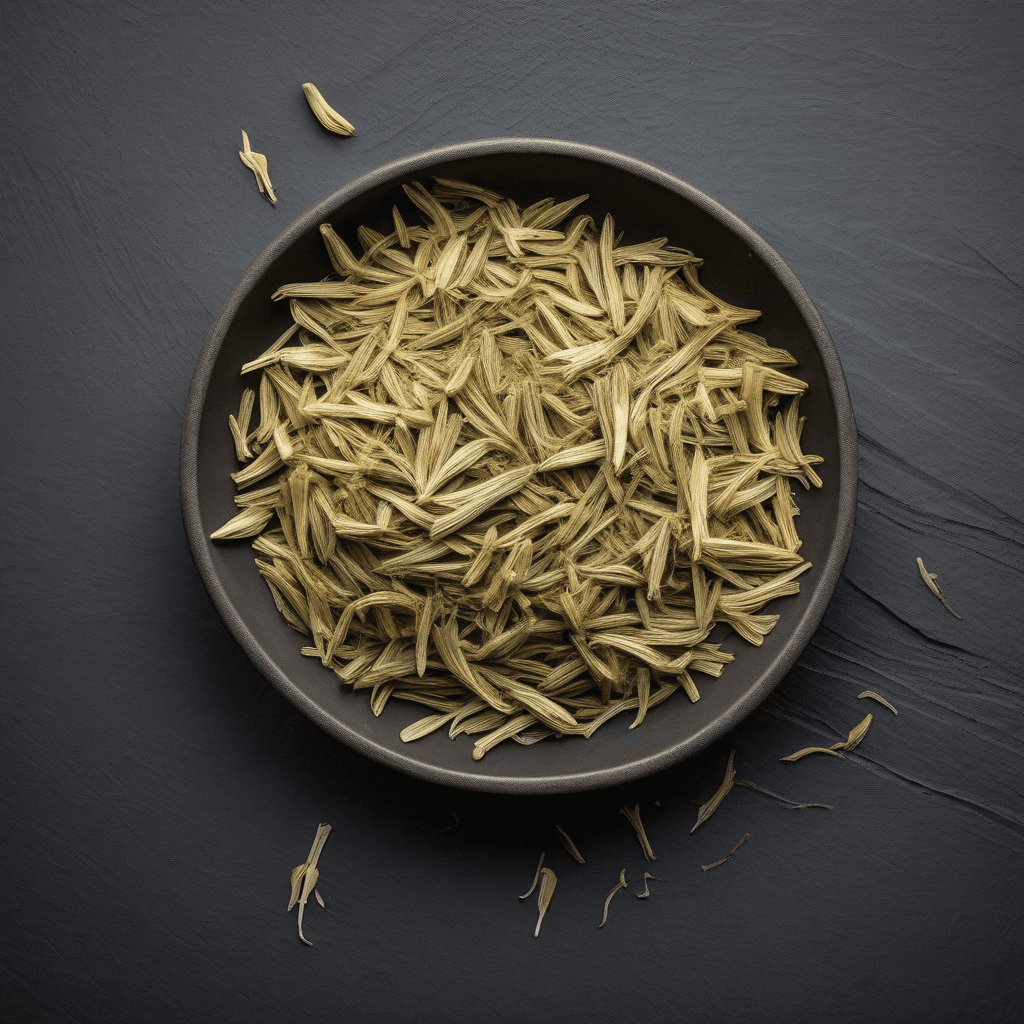
Sweet, licorice-like dried fennel seed used to season dishes and spice blends.

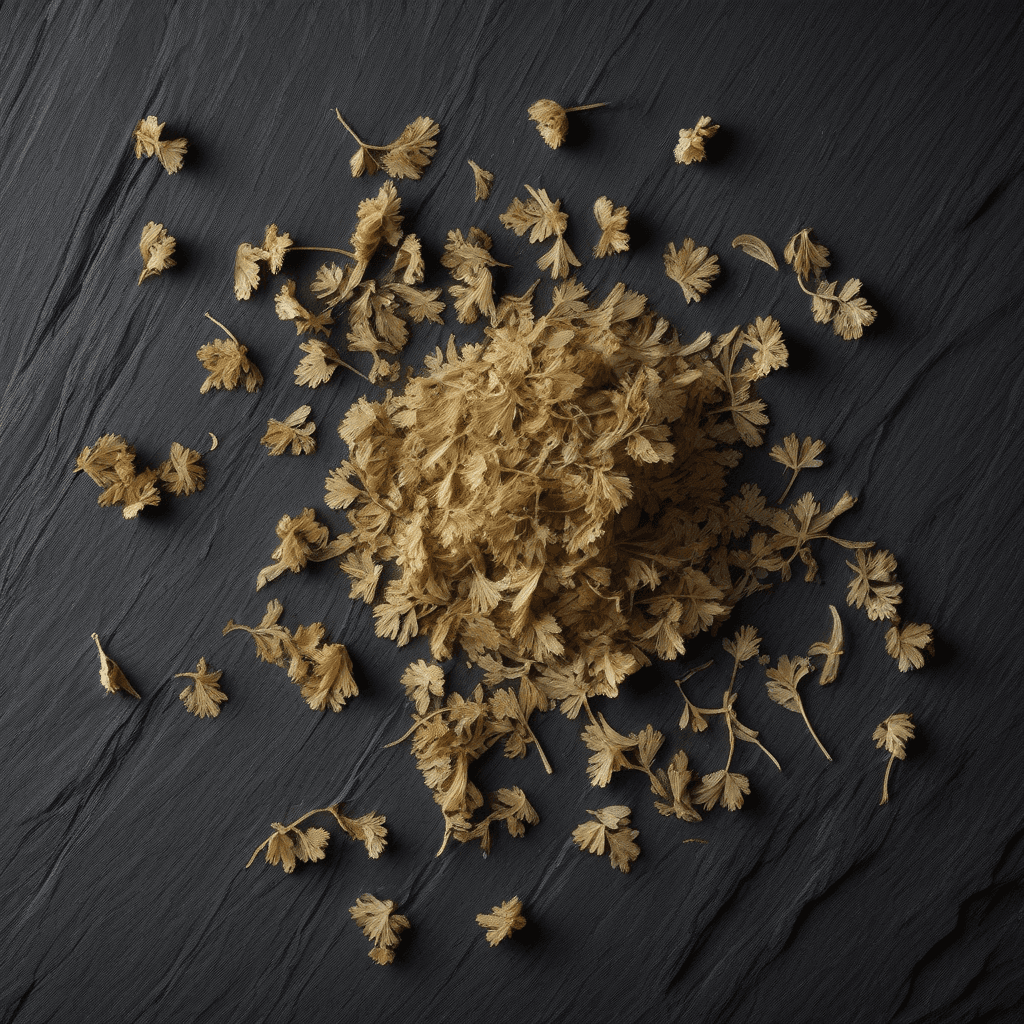
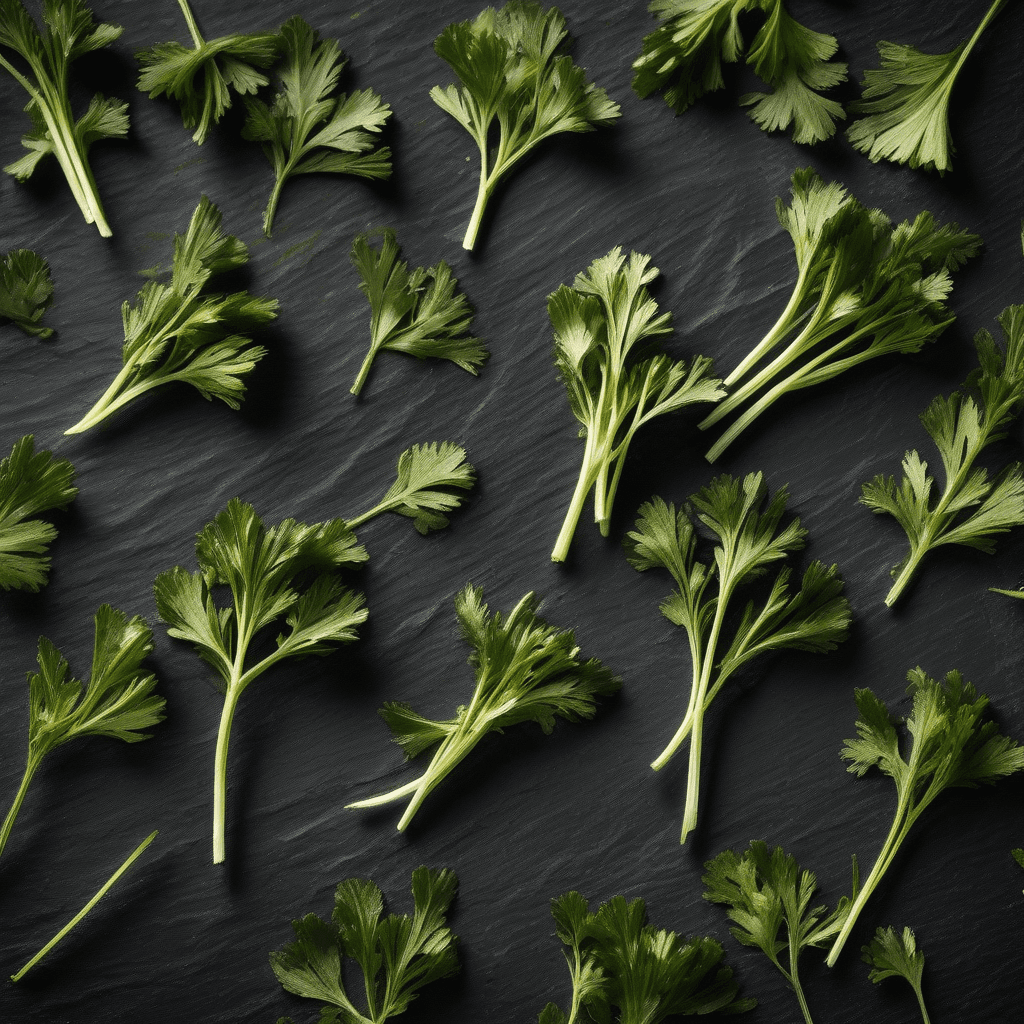
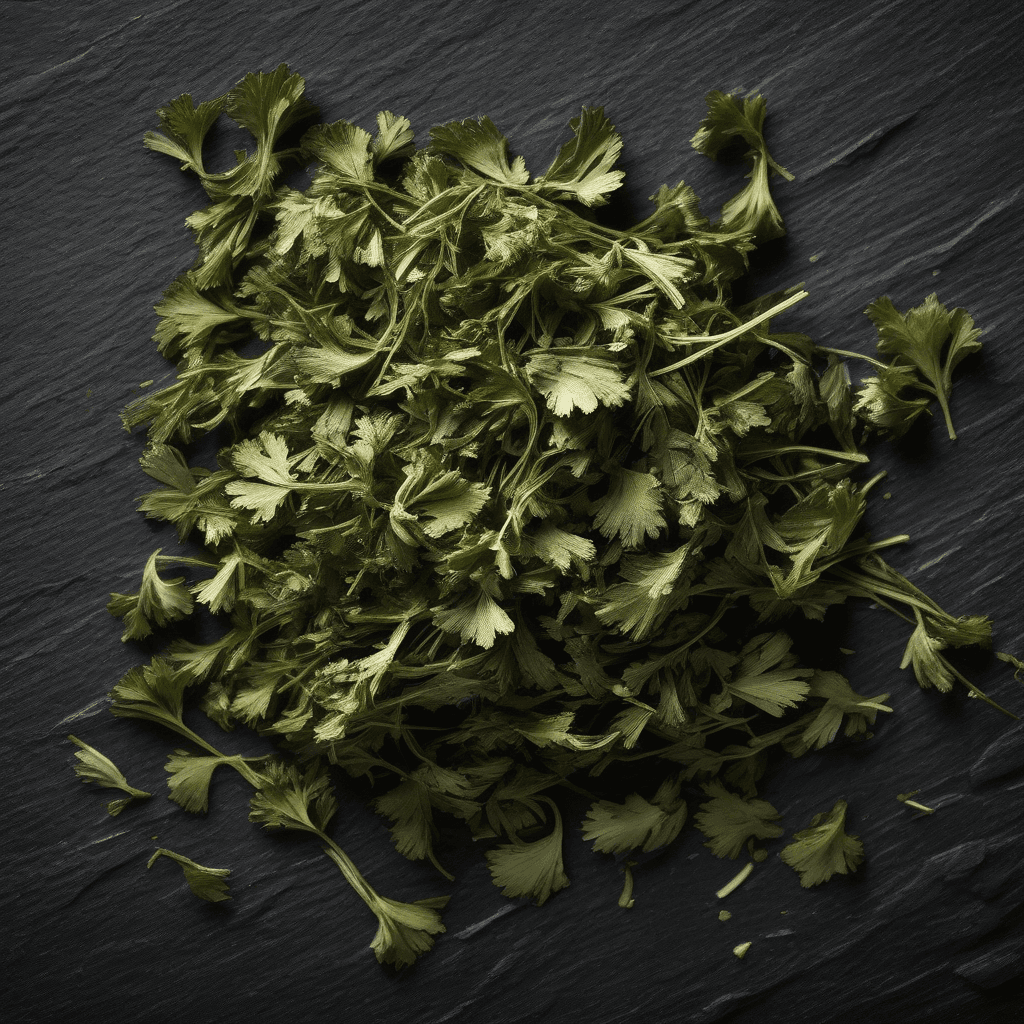
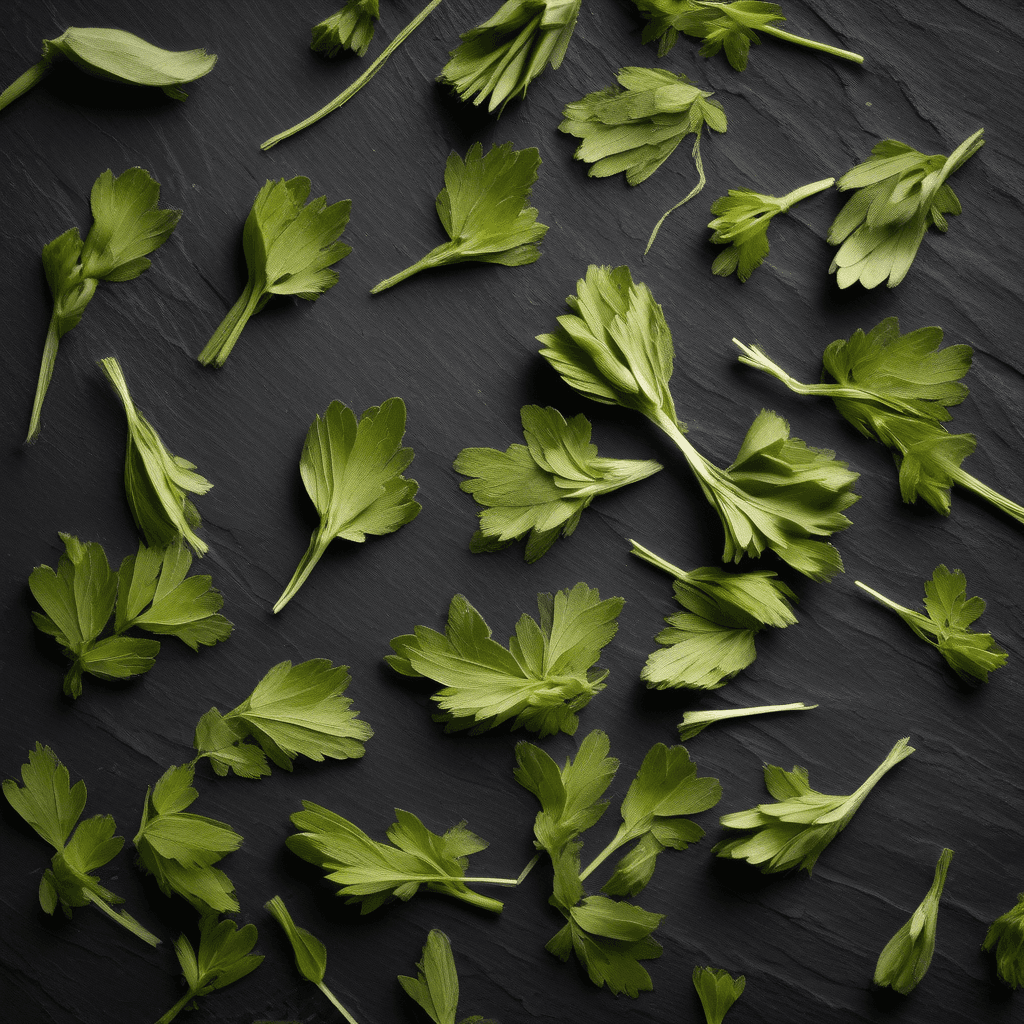
Mild and mostly for color; far less vivid than fresh parsley.

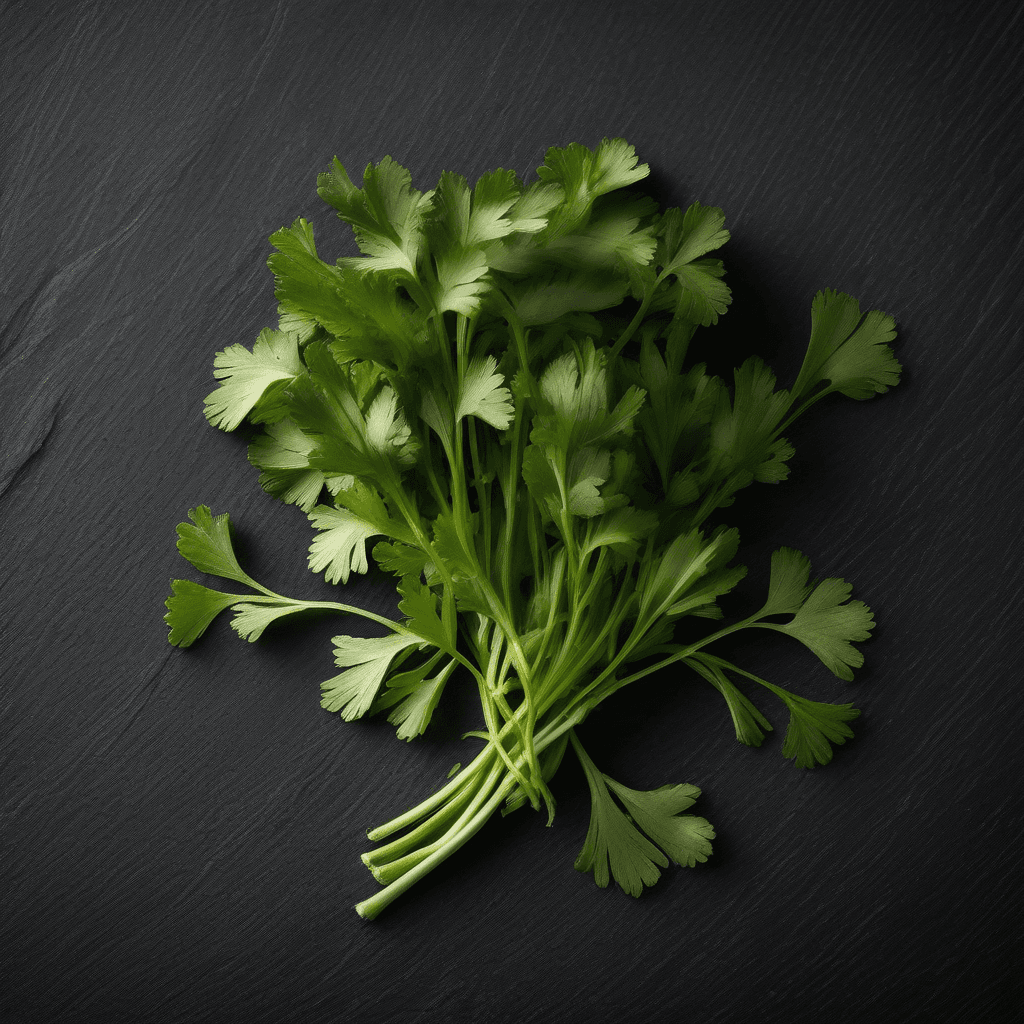
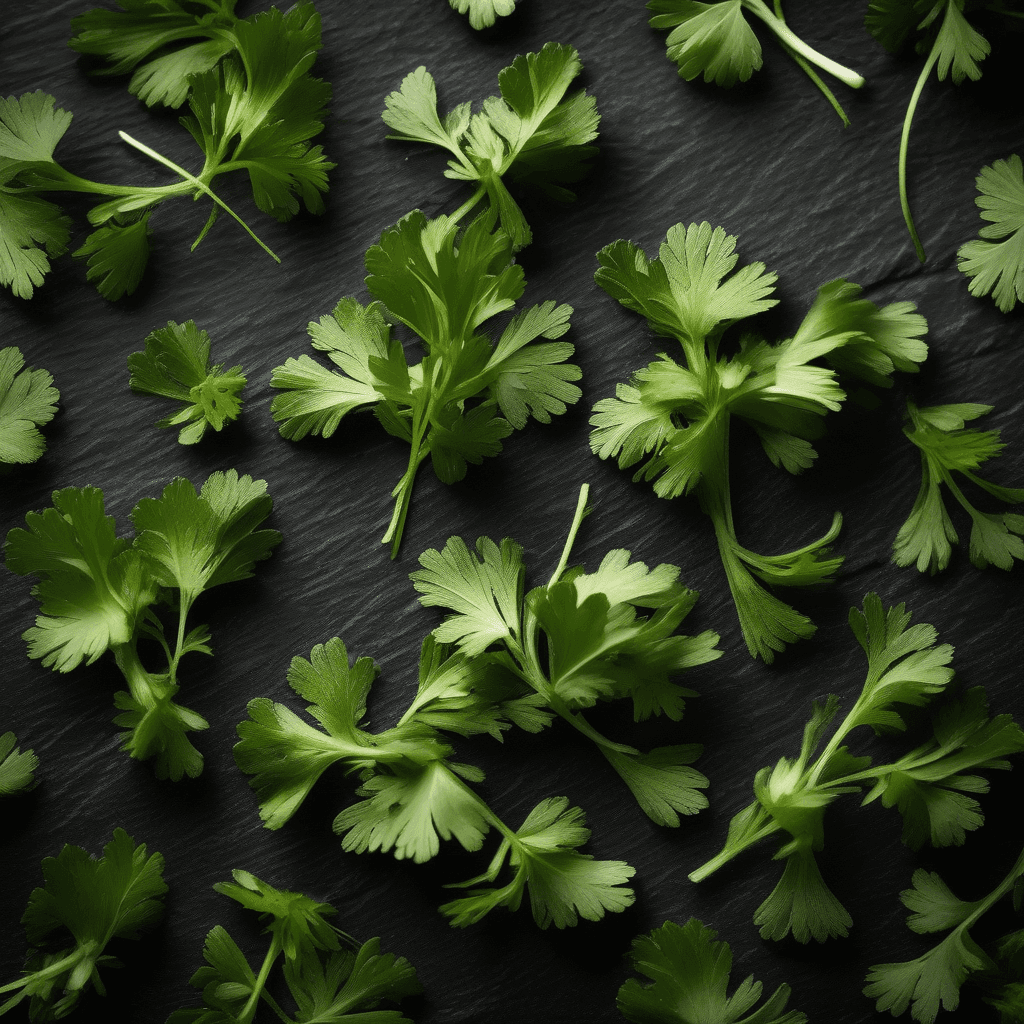
Loses most of its punch when dried; fresh cilantro is far more vivid.

Gentle onion note; freeze-dried chives keep more color and flavor.

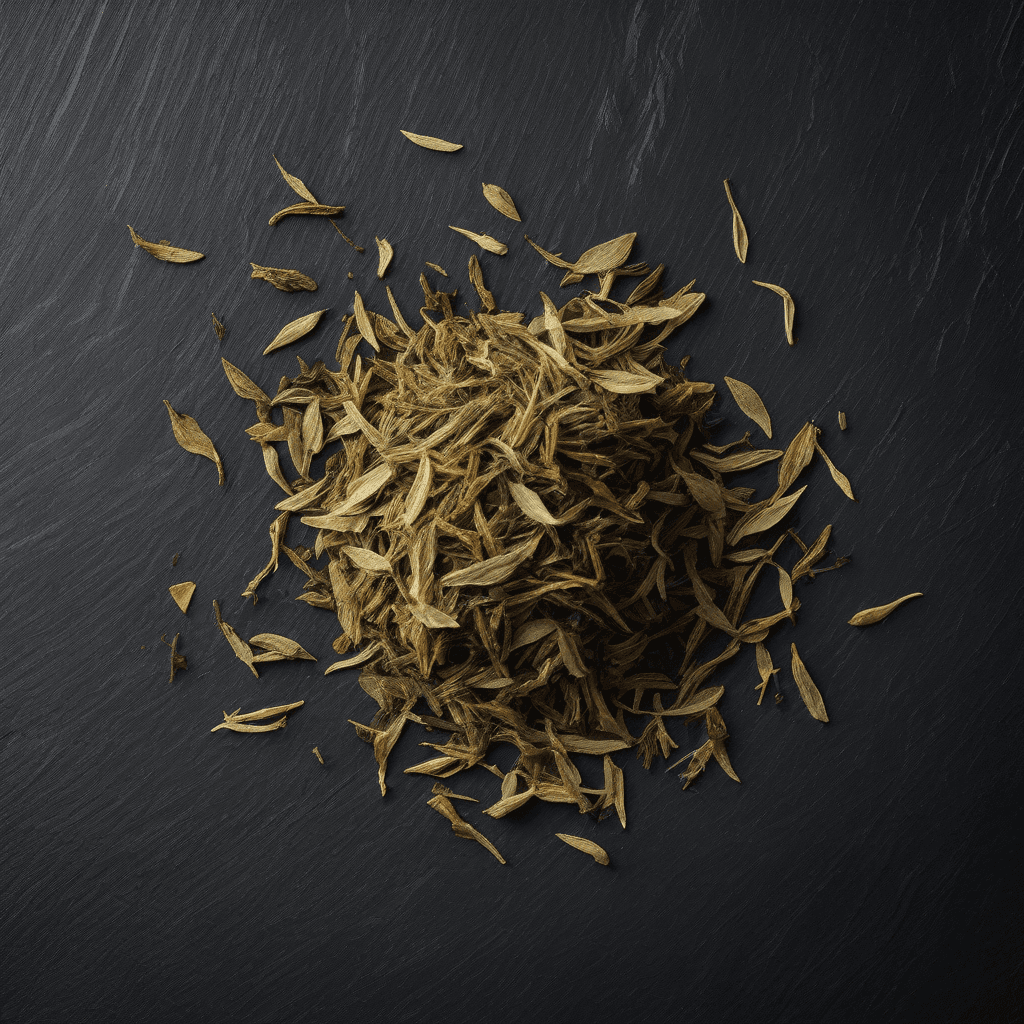
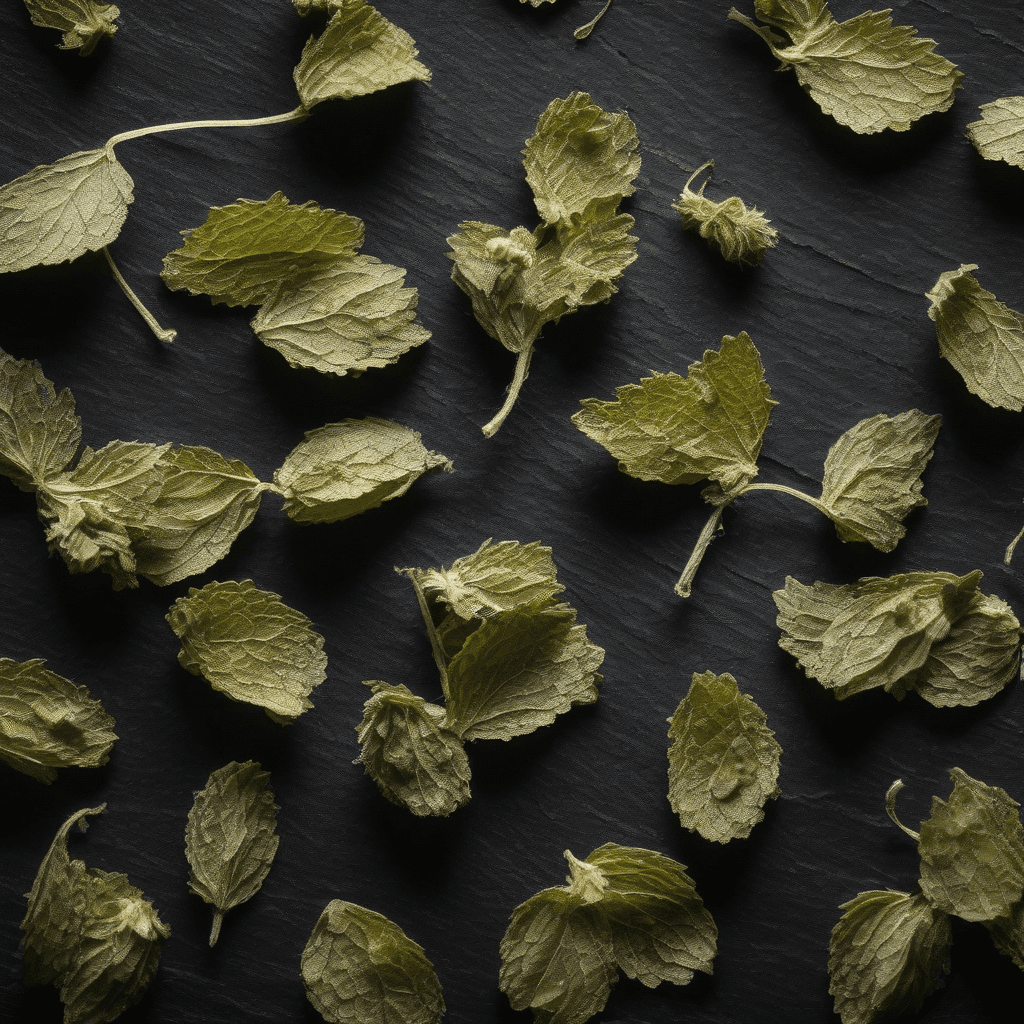
Soft lemon-mint aroma; mostly used for teas and infusions.

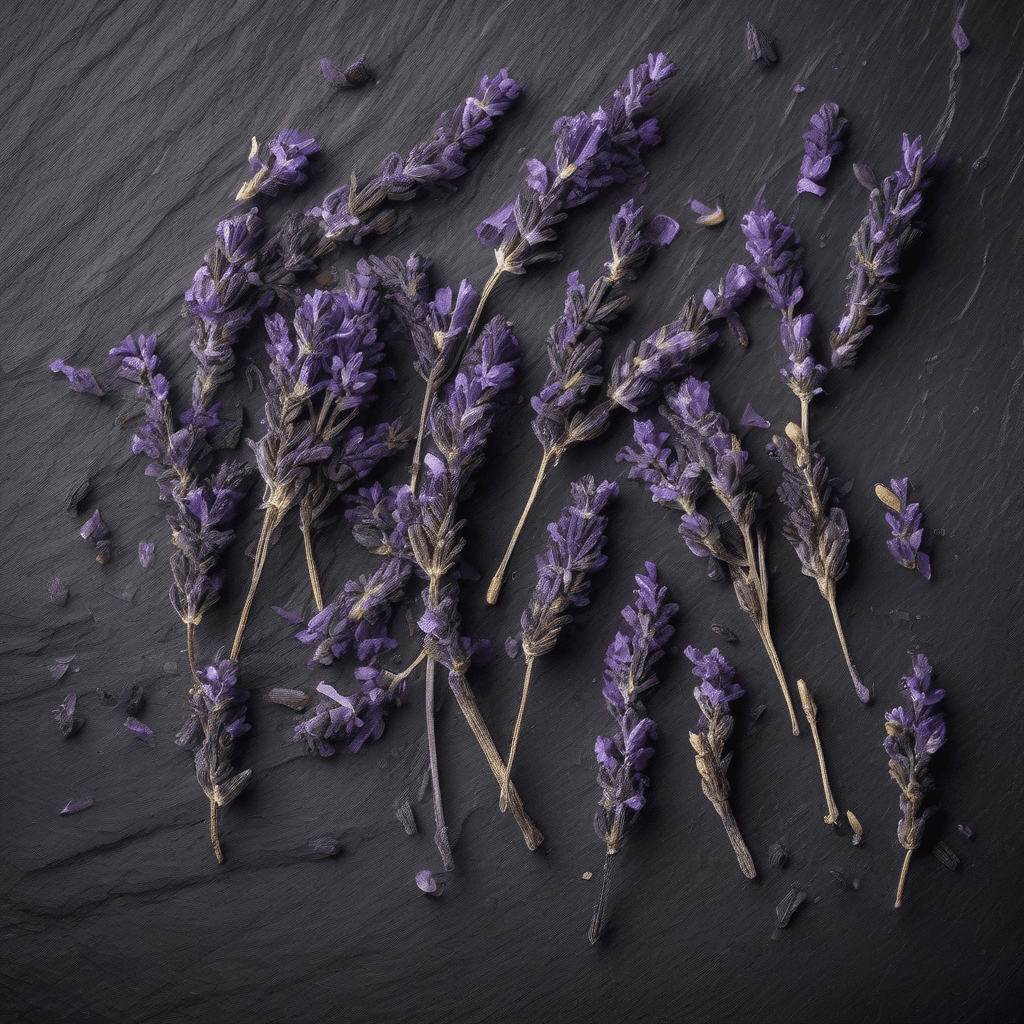
Intensely floral; use a light hand or it turns soapy.

The milder, sweeter savory — gentler than winter savory.

Concentrated celery-and-herb flavor; potent, so use it sparingly.

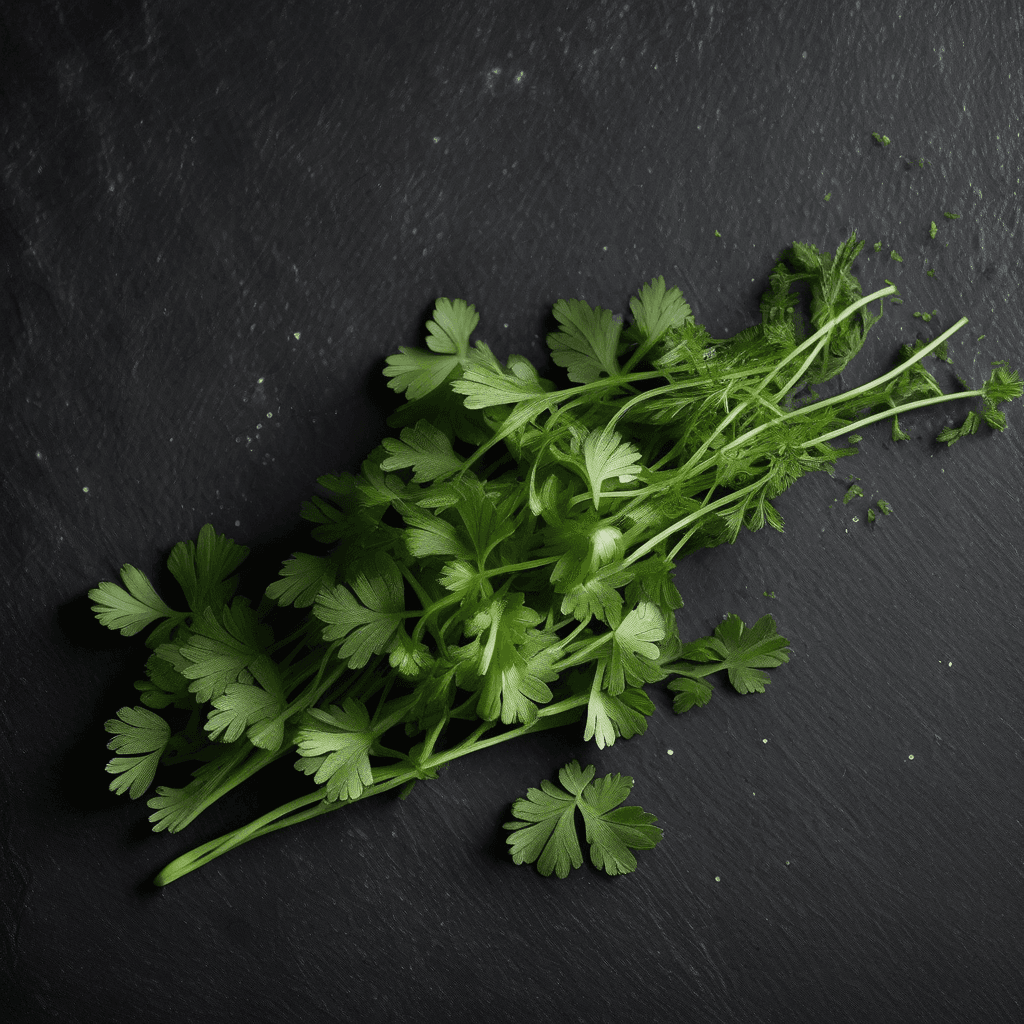
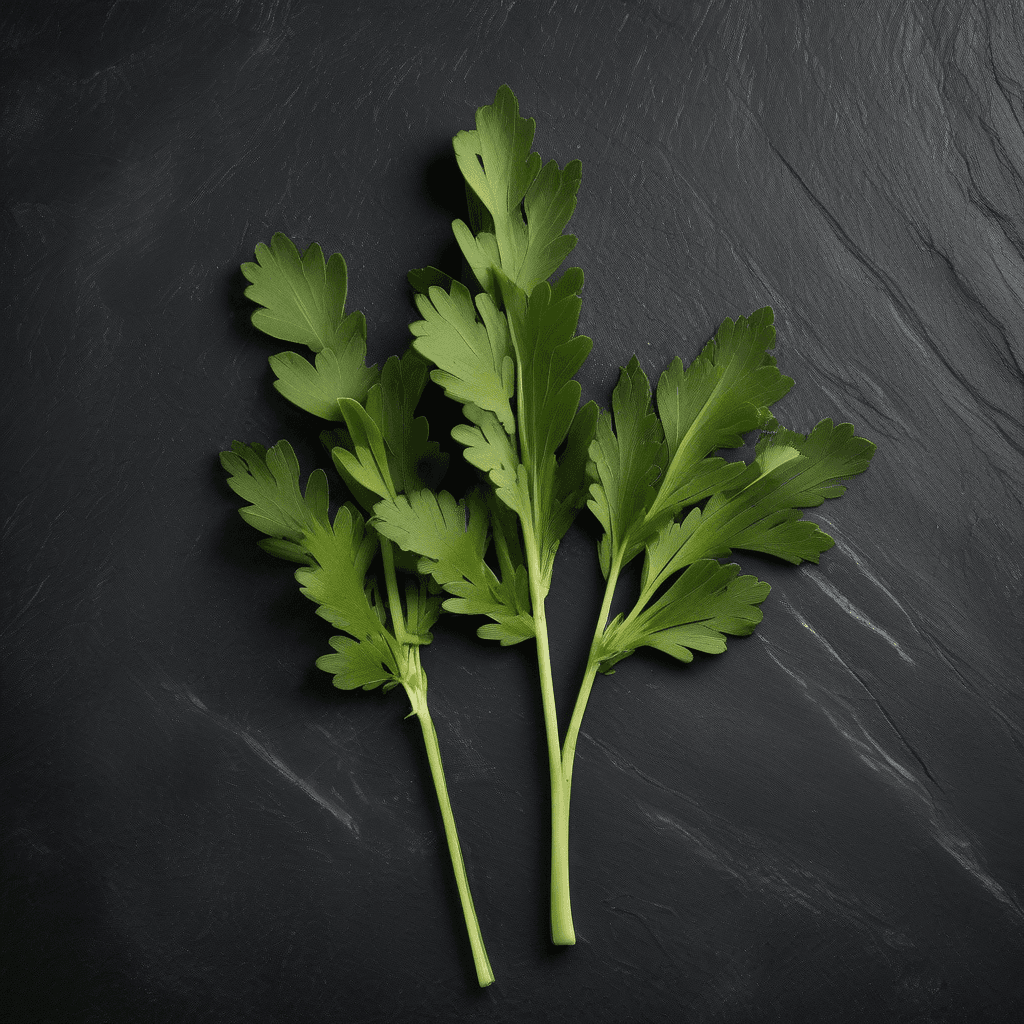
Delicate parsley relative with a faint anise note; one of the French fines herbes.

Sweet, licorice-flavored seed used in baking, liqueurs, and spice blends.

Tastes like an intense, peppery celery; a little goes a long way.

Intensely lemon-scented leaves; prized for teas, syrups, and desserts.

Peppery, thyme-like herb — summer savory is milder, winter savory sharper.

Bright, curry-scented leaves essential to South Indian cooking — unrelated to curry powder.

Add fresh herbs at the end of cooking to preserve volatile oils; dried herbs go in early.

Add fresh herbs at the end of cooking to preserve volatile oils; dried herbs go in early.

Ripeness drives use: firm/underripe for savory, ripe for desserts, overripe for purees.